
Most homeowners don’t decide on a kitchen remodel all at once.
It usually starts with small frustrations that build over time. A drawer that never quite closes. A refrigerator door that blocks the walkway. Cabinets that technically work, but no longer make sense for how your household lives today.
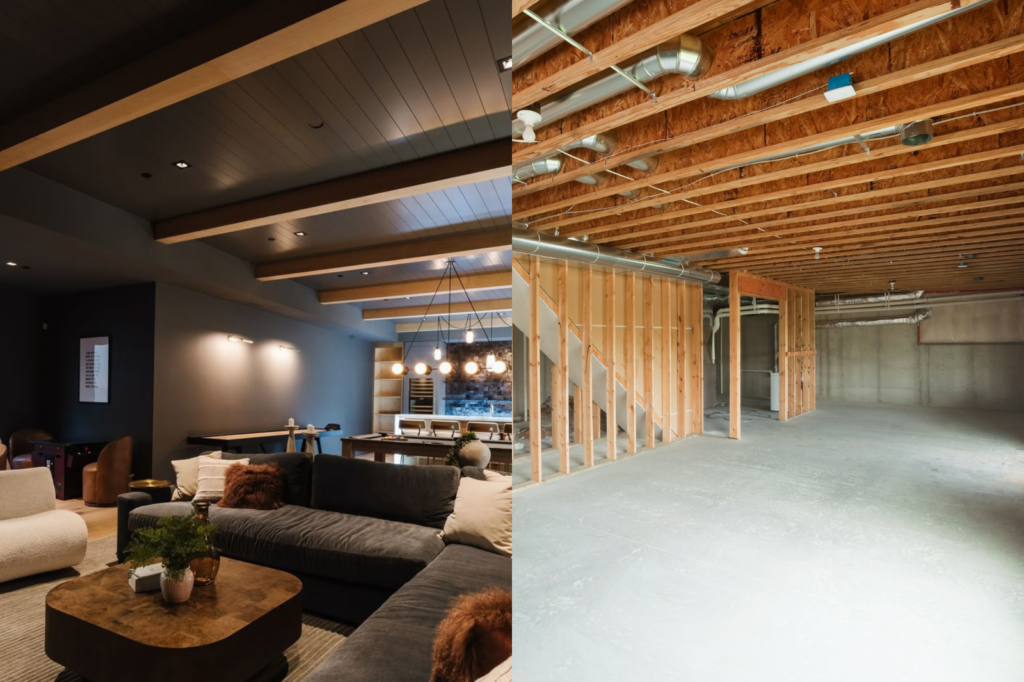
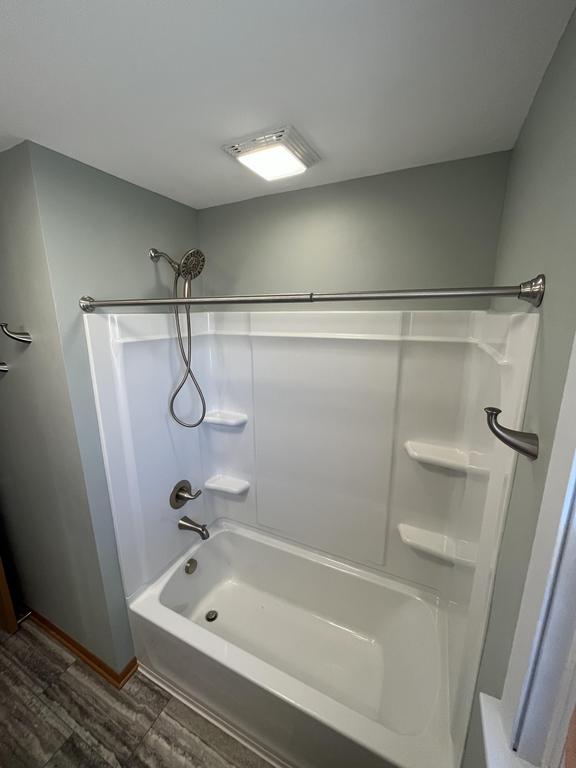
Often, the tipping point comes after another part of the home is updated. The basement gets finished. The bathroom gets refreshed. Suddenly, the kitchen feels noticeably older than the rest of the house.
If you’re considering a kitchen remodel, you’re likely balancing excitement with hesitation. You want a space that works better, but you’re also aware that remodeling a kitchen can feel disruptive, expensive, and overwhelming if it’s not handled carefully.
This article is meant to slow things down.
Rather than talking about trends or “dream kitchens,” we want to walk through how experienced professionals think about kitchen remodels, so you can make informed decisions with fewer surprises and more confidence.
Why Kitchen Remodels Feel Different Than Other Home Projects
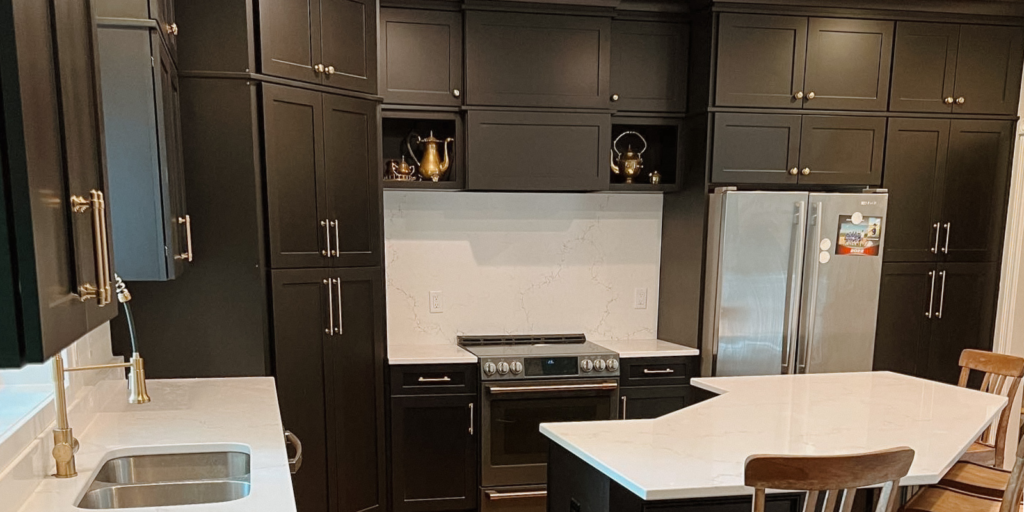
Not all remodels impact daily life the same way.
A guest bathroom remodel might be inconvenient, but it’s usually contained. A basement remodel happens largely out of sight. A kitchen remodel, on the other hand, affects almost everything.
In many Central Iowa homes, including ranches and split-levels,the kitchen sits right at the center of daily movement. It connects living spaces, dining areas, and sometimes even hallways. When it’s under construction, the rhythm of the entire home changes.
Meals take more planning. Dishes are done in unexpected places. Traffic patterns shift. Even simple routines like making coffee or packing lunches feel different.
That’s why kitchen remodels require a higher level of planning and communication than most other projects. It’s not just about building a better kitchen; it’s about managing disruption in a way that respects how homeowners actually live.
The Most Common Concerns Homeowners Have (and Why They’re Valid)
By the time most homeowners reach out to a builder, they’ve already been thinking about the project for a while. And almost everyone brings the same concerns into that first conversation.
“How long will this really take?”
This is often the first question, and for good reason.
Kitchen remodel timelines vary widely depending on scope, layout changes, material selections, and the condition of the existing home. Older homes can introduce unknowns once walls or floors are opened up.
What matters most isn’t just the length of the timeline, but whether expectations are clearly set and consistently communicated.
“Will we be without a kitchen the whole time?”
Not necessarily, but there will be a period where the kitchen is largely unusable.
Most families set up a temporary kitchen elsewhere in the home. Knowing when major shutdowns will happen (plumbing, electrical, appliance removal) helps reduce stress and frustration.
“What if something unexpected comes up?”
In remodeling, surprises are not a sign of poor planning; they’re a reality of working within existing homes.
The difference between a stressful project and a manageable one is how those surprises are handled. Clear communication, documented options, and thoughtful problem-solving make all the difference.
“How disruptive is this going to be?”
Honest answer: There will be a disruption.
But disruption doesn’t have to feel chaotic. Clean job sites, predictable schedules, and proactive updates go a long way in keeping homeowners comfortable during the process.
How Professionals Evaluate a Kitchen Before Any Design Decisions Are Made
Before discussing finishes or layouts, experienced builders take time to understand the existing space and the people who live in it.
This evaluation usually includes:
- How many people use the kitchen at once
- Where bottlenecks currently occur
- How food is stored, prepared, and served
- How the kitchen connects to adjacent rooms
- Structural limitations that may affect layout changes
A kitchen that looks fine on paper may function poorly in real life. That’s why conversations about daily habits, morning routines, hosting, and family gatherings matter more than square footage alone.
Layout Comes First
Most homeowners start a kitchen remodel thinking about cabinets, countertops, and colors. That’s understandable; those are the most visible elements.
But layout decisions usually have the biggest impact on how a kitchen feels long-term.
Common Layout Challenges We See
- Refrigerators placed in high-traffic zones
- Islands that look great but restrict movement
- Pantries that exist, but don’t store much
- Work triangles that don’t reflect how people actually cook
Sometimes improving layout means moving walls or utilities. Other times, it means making smaller, strategic changes that significantly improve flow without increasing scope.
Just as important: not every idea is feasible in every home. Structural elements, plumbing locations, and ceiling heights can limit what’s possible. Honest guidance early on helps homeowners avoid frustration later.
Storage: More Than Just “More Cabinets”
Many kitchen remodels are driven by a desire for more storage. But adding cabinets doesn’t always solve the problem.
Good storage design considers:
- Accessibility
- Visibility
- Frequency of use
- Household habits
Deep drawers, pull-outs, and thoughtfully planned pantry spaces often outperform sheer cabinet count. In smaller kitchens, smarter storage can make the space feel dramatically larger without expanding the footprint.
Lighting: One of the Most Underrated Design Decisions
Lighting is often an afterthought, but it has an outsized impact on how a kitchen functions and feels.
A well-lit kitchen typically includes:
- General lighting for overall visibility
- Task lighting for prep areas
- Accent lighting to add depth and warmth
In older homes, lighting upgrades alone can make a kitchen feel newer and more comfortable, even before finishes are updated.
Materials and Finishes: Balancing Style, Durability, and Maintenance
Once layout decisions are set, finishes start to come into focus.
This is where homeowners are often faced with a wide range of options, each with tradeoffs. The goal isn’t to pick the “best” material; it’s to pick what fits your lifestyle.
Questions professionals often help homeowners think through:
- How much maintenance is realistic?
- Will this material age well in this home?
- Is this a long-term choice or a short-term update?
- How does this selection affect other parts of the project?
Timeless choices tend to come from restraint, not trend-chasing.
Living Through a Kitchen Remodel: What to Expect Day to Day
Even with great planning, living through a kitchen remodel requires flexibility.
Most homeowners adjust by:
- Setting up a temporary kitchen area
- Simplifying meals
- Planning for short periods of higher disruption
What makes this phase manageable is predictability. Knowing what’s happening next, and who to contact with questions, helps homeowners feel in control even when routines are disrupted.
Communication Is the Difference Between Stressful and Smooth
From a homeowner’s perspective, communication often matters more than speed.
Regular updates, clear explanations, and follow-through build trust throughout the project. When homeowners feel informed, small hiccups don’t feel like crises.
Good communication also helps homeowners make better decisions, especially when tradeoffs or adjustments are required.
Budget Conversations Should Be Honest and Unrushed
Every kitchen remodel has a budget. What matters most is how that budget is discussed and respected.
Experienced builders help homeowners understand:
- Where dollars have the most impact
- Which upgrades add complexity without much benefit
- How early decisions affect later costs
Rushed decisions often lead to regret. Thoughtful pacing leads to better outcomes.
Why Kitchen Remodels Often Lead to Additional Updates
It’s common for one remodel to spark others.
Once a kitchen is updated, adjacent spaces may feel dated by comparison. Trim, railings, lighting, or flooring often follow, not because they were planned originally, but because the home now feels out of balance.
This isn’t a mistake. It’s part of how homes evolve over time. The key is making decisions intentionally, not reactively.
Kitchen Remodel FAQ
1. How long does a typical kitchen remodel take?
Most kitchen remodels take several weeks to a few months, depending on the scope of work.
A refresh that keeps the existing layout and focuses on cabinets, surfaces, and finishes may move more quickly. Projects that involve layout changes, structural adjustments, or custom elements take longer.
What matters most isn’t the exact number of weeks; it’s whether the timeline is clearly explained and realistically planned from the start. Kitchen remodels touch many trades and moving parts, so thoughtful sequencing and communication are what keep things on track.
2. Will we be without a kitchen the entire time?
Not the entire time, but there will be a period when the kitchen is largely unusable.
Most projects have phases where appliances are removed, plumbing is disconnected, or countertops are temporarily unavailable. We walk homeowners through when those moments will happen so they can plan accordingly.
Many families set up a short-term kitchen elsewhere in the home with a microwave, coffee maker, and refrigerator. Knowing what to expect and when helps the transition feel manageable rather than stressful.
3. How do we live in our home during a kitchen remodel?
Living through a kitchen remodel requires some flexibility, but it doesn’t have to feel chaotic.
Clear schedules, clean job sites, and consistent communication make a big difference. Homeowners are typically able to stay in their homes throughout the project, even though daily routines may shift temporarily.
We encourage people to think ahead about meals, traffic flow, and quiet work hours. When expectations are set early, most families find the process easier than they anticipated.
4. How much should we plan to spend on a kitchen remodel?
Kitchen remodel costs vary widely based on size, scope, materials, and existing conditions.
Rather than focusing on a single number, it’s more helpful to understand where your investment goes and which decisions have the biggest impact on cost. Layout changes, custom cabinetry, and structural work tend to affect budgets more than surface-level updates.
A good planning process helps homeowners align priorities with their budget, without rushing decisions or oversimplifying tradeoffs.
5. What tends to cause delays in kitchen remodels?
The most common causes of delays include:
- Material lead times
- Changes made after construction begins
- Unexpected conditions behind walls or floors
Many delays can be minimized with early planning and clear decision-making. Others are simply part of working in existing homes.
What matters most is how those moments are communicated and handled. When homeowners are informed quickly and given clear options, delays feel less disruptive.
6. Can we keep our existing layout, or does everything need to change?
Not every kitchen remodel requires a full layout overhaul.
In many cases, homeowners can keep the existing footprint and still achieve meaningful improvements through better storage, lighting, and workflow adjustments. Sometimes small changes,like relocating a refrigerator or reworking pantry storage, make a bigger difference than moving walls.
Part of the planning process is determining what’s worth changing and what’s better left alone. The goal is a kitchen that works better, not one that’s unnecessarily complicated.
7. How early do we need to make design and material decisions?
Earlier than most people expect.
Cabinetry, appliances, and certain finishes often have longer lead times, and those selections affect everything that follows. Making decisions early helps avoid rushed choices later and keeps the project moving smoothly.
That doesn’t mean every detail has to be finalized on day one, but the major pieces should be thoughtfully planned before construction begins.
8. What’s the biggest mistake homeowners make when remodeling a kitchen?
The most common mistake is underestimating how interconnected the decisions are.
A layout change affects cabinetry. Cabinet choices affect lighting. Lighting affects ceiling work. Each decision influences the next. When choices are made in isolation or too quickly, it can lead to frustration later.
Taking the time to understand the “why” behind each recommendation leads to better outcomes and fewer regrets.
Final Thoughts: A Kitchen Remodel Is About More Than the Kitchen
A kitchen remodel isn’t just a construction project; it’s a period of change inside your home.
The most successful projects are built on:
- Clear expectations
- Thoughtful planning
- Honest communication
- Respect for how homeowners live day to day
If you’re early in the process, take your time. Ask questions. A good builder won’t rush you,and won’t oversimplify a project that affects your daily life.
A well-planned kitchen remodel should leave you with more than a better space. It should leave you feeling confident in the decisions you made along the way.