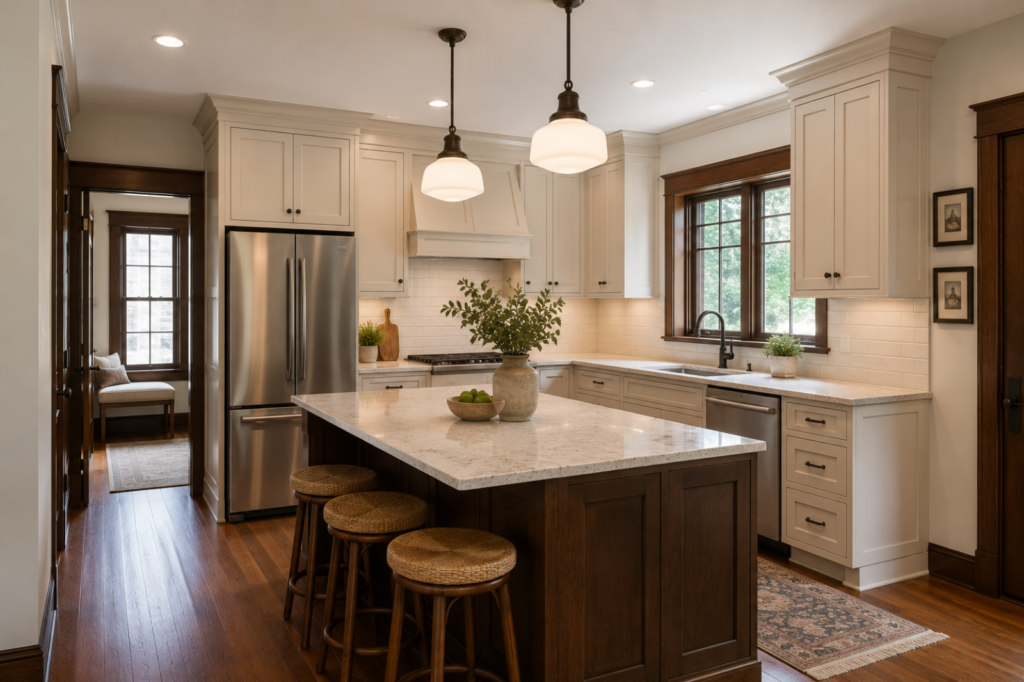

One of the first questions homeowners ask when considering a kitchen remodel is also one of the hardest to answer simply:
“How long is this going to take?”
The honest answer is that kitchen remodel timelines vary,but that doesn’t mean they’re unpredictable. With the right planning, most of the timeline can be understood well before construction begins.
This article walks through what actually affects a kitchen remodel timeline, why some projects move faster than others, and how homeowners can reduce disruption by understanding the process ahead of time.
Why Kitchen Remodel Timelines Vary So Much
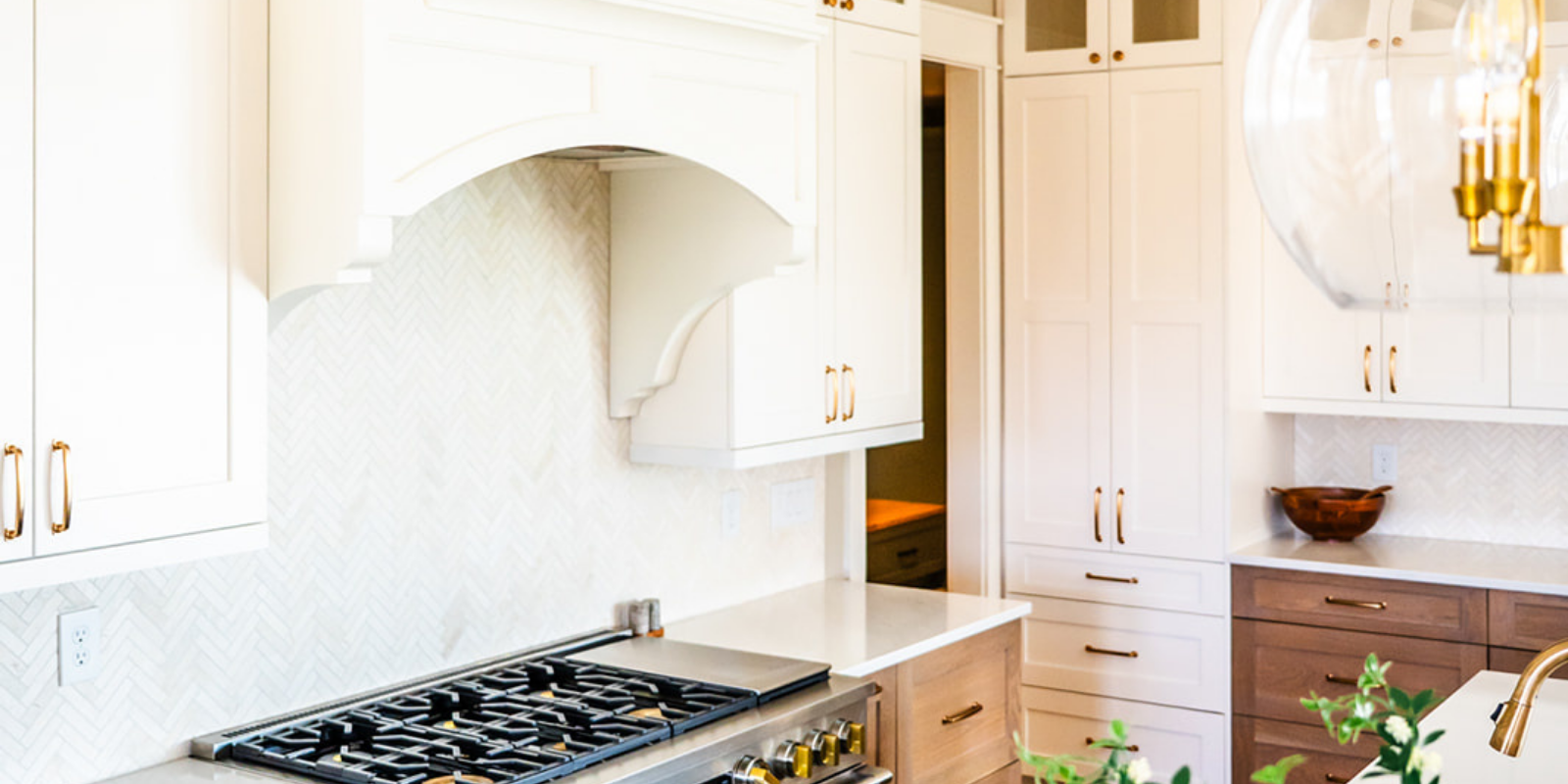
Two kitchens of the same size can have very different timelines.
That’s because time isn’t determined by square footage alone. It’s shaped by decisions, logistics, and existing conditions, many of which aren’t visible until the project is thoughtfully planned.
Factors that commonly affect the timeline include:
- Whether the layout is changing
- How custom the cabinetry and finishes are
- The age and condition of the home
- How early decisions are made
- Material availability and lead times
A realistic timeline accounts for all of these, not just the construction phase.
The Typical Phases of a Kitchen Remodel
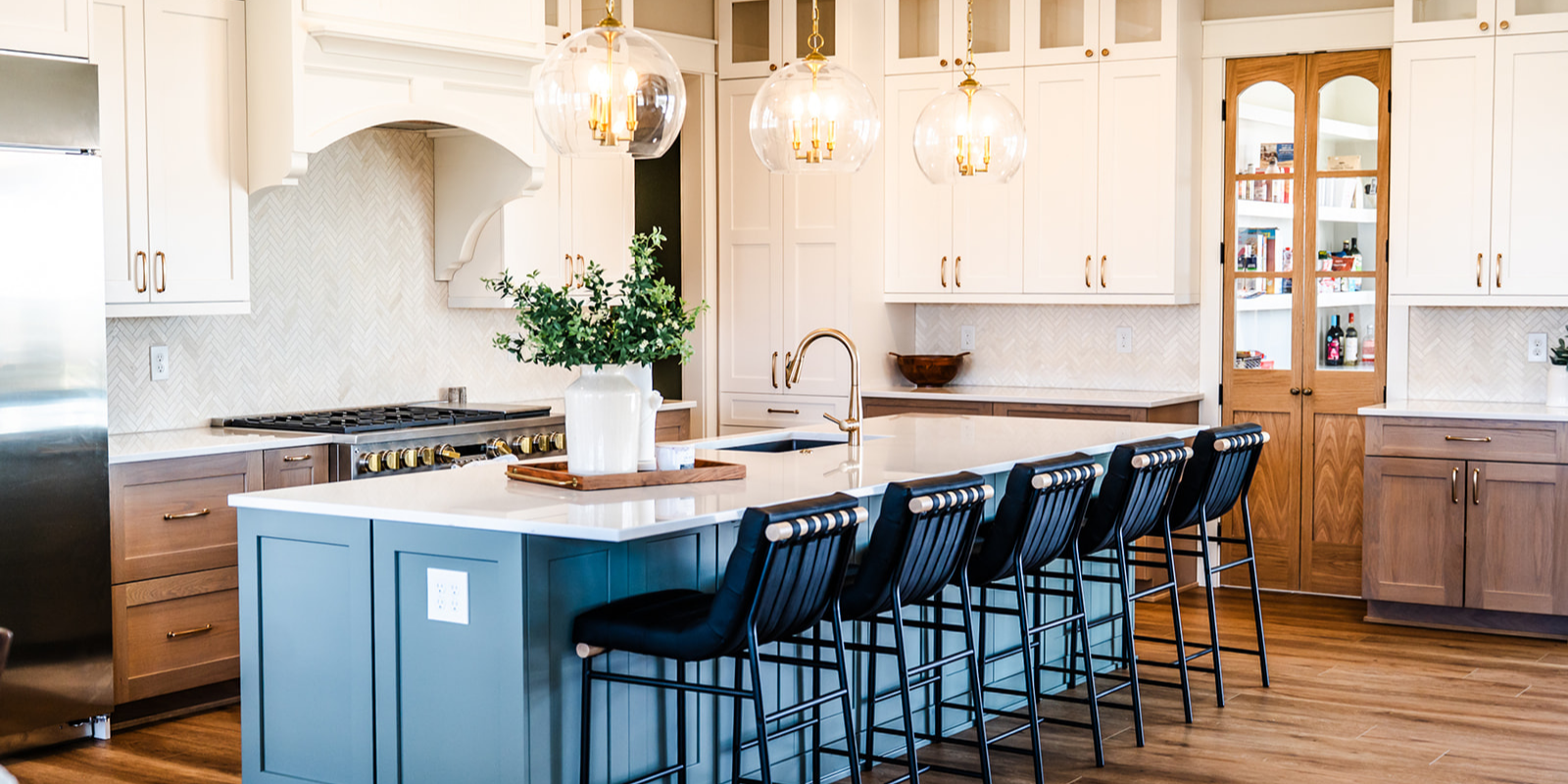
While every project is different, most kitchen remodels follow a similar sequence. Understanding these phases helps homeowners see where time is spent, and why.
1. Planning and Design (Often the Longest Phase)
This phase happens before construction starts, but it’s where timelines are often won or lost.
Planning includes:
- Evaluating the existing kitchen
- Finalizing layout decisions
- Selecting cabinetry, appliances, and finishes
- Coordinating structural or mechanical changes
This phase can take several weeks or more, depending on how quickly decisions are made. It’s time well spent — rushed planning often leads to delays later.
For a deeper look at what’s involved in defining scope, layout, and long-term goals, homeowners often benefit from reviewing the full kitchen remodel thought process for homeowners before moving forward.
2. Ordering Materials and Lead Times
Once decisions are finalized, materials are ordered. Some items arrive quickly; others don’t.
Cabinetry, specialty appliances, and custom elements often have longer lead times. These don’t slow the project,they define when construction should start.
Good scheduling aligns construction with material arrival, preventing long pauses mid-project.
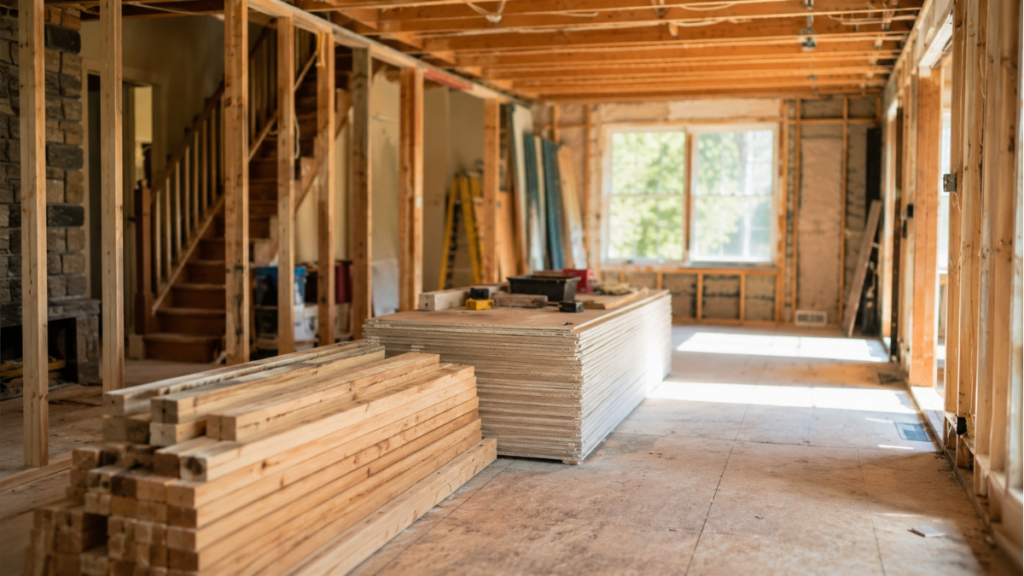
3. Demolition and Rough Work
This is when homeowners see visible progress,and when disruption begins.
During this phase:
- Existing cabinetry and surfaces are removed
- Electrical, plumbing, or HVAC changes are made
- Structural adjustments (if any) are completed
This phase often reveals unknowns, especially in older homes. When those surprises are anticipated and communicated clearly, they’re manageable.
4. Installation and Finishes
This is when the kitchen comes back together:
- Cabinets are installed
- Countertops are templated and placed
- Flooring, lighting, and trim are completed
- Appliances are installed
While this phase is exciting, it also requires sequencing. Some steps can’t happen until others are complete, which is why realistic scheduling matters.
5. Final Details and Walkthrough
The final phase includes:
- Adjustments and fine-tuning
- Final inspections
- Walkthroughs and closeout
This ensures the kitchen functions as intended and details are addressed before the project is considered complete.
So… How Long Does It Actually Take?

While every project is unique, many kitchen remodels fall into these general ranges:
- Basic kitchen: The typical duration of the project will take 2 months of planning and 10 – 12 weeks of construction
- Mid-level remodel (new cabinets, same layout): The typical duration of the project will take 2-3 months of planning, and 12 – 16 weeks of construction
- Major remodel (layout or structural changes): The typical duration of the project will take 3+ months of planning, and 3-6 months of construction (there’s a lot more variation on this kind of project due to the scope of the work varying so widely depending upon the project itself). Your first step should be to book a consult so we can provide an accurate estimated timeline.
What’s more important than the exact duration is whether the timeline is clear, realistic, and communicated upfront.
Kitchen Remodel Timeline Estimator
Kitchen remodel timelines vary based on scope, planning, and existing conditions. This tool provides a general construction time range to help set expectations — not a guaranteed schedule.
What Homeowners Can Do to Keep a Remodel on Track
Some delays are unavoidable, but many are preventable.
Homeowners have the most influence over:
- Making decisions early
- Avoiding major changes once construction starts
- Being responsive when questions arise
- Understanding tradeoffs before committing
Clear planning reduces stress, shortens disruption, and often improves long-term value — something that also plays a role in overall kitchen renovation return on investment.
Living Without a Kitchen (Temporarily)
A kitchen remodel doesn’t mean chaos, but it does require adjustment.
Most families:
- Set up a temporary kitchen elsewhere in the home
- Simplify meals
- Plan ahead for the most disruptive days
When homeowners know when the kitchen will be offline, and for how long, it’s much easier to adapt.
Why Shorter Isn’t Always Better
It’s natural to want the project done as quickly as possible. But speed without planning often leads to:
- Missed details
- Rushed decisions
- Regret later on
A well-paced remodel respects both the homeowner’s daily life and the complexity of the work.
Kitchen Remodel Timeline: Frequently Asked Questions
How long does a typical kitchen remodel take?
Most kitchen remodels take several weeks to a few months once construction begins. The exact timeline depends on the scope of work, whether the layout is changing, and the condition of the home. A smaller refresh often moves faster, while more involved remodels require additional coordination and sequencing.
Does planning really affect how long the remodel takes?
Yes, often more than homeowners expect. Clear decisions made early help avoid pauses during construction. When selections like cabinetry, appliances, and finishes are finalized ahead of time, the project can move forward more predictably once work starts.
Will we be without a kitchen the entire time?
Not usually. There are typically specific periods when the kitchen is largely unusable, such as during demolition or countertop installation. Other phases may allow limited use. Knowing when these phases occur helps homeowners plan meals and routines ahead of time.
Can a kitchen remodel be done faster if we need it to?
Sometimes, but speed almost always involves tradeoffs. Accelerating a timeline may limit design options, material availability, or flexibility. In most cases, a well-planned, steady schedule leads to a better overall experience than trying to rush the process.
What tends to cause delays in kitchen remodels?
Common causes include:
- Changes made after construction begins
- Material lead times
- Unexpected conditions discovered during demolition
Good planning and clear communication don’t eliminate surprises, but they do make them easier to manage.
Does the age of the home affect the timeline?
Often, yes. Older homes may require additional work to update wiring, plumbing, or framing to current standards. These needs aren’t always visible upfront, which is why timelines are best discussed as ranges rather than exact dates.
Is the construction timeline the same as the total project timeline?
No. The construction phase is only part of the overall process. Design, planning, and material ordering all happen before construction begins. A realistic timeline looks at the entire process, not just what happens on-site.
What can homeowners do to help keep the project on track?
The most helpful things homeowners can do are:
- Make decisions early
- Ask questions when something is unclear
- Understand where flexibility exists—and where it doesn’t
When everyone is aligned on expectations, the remodel tends to feel smoother, even if challenges arise.
Final Thoughts on Kitchen Remodel Timelines
A kitchen remodel timeline isn’t just a calendar,it’s a reflection of planning, communication, and coordination.
When homeowners understand what affects timing and why each phase matters, the process feels far more manageable.
A realistic timeline doesn’t promise perfection. It sets expectations,and that’s what leads to better experiences and better kitchens.