
When homeowners ask about the return on investment of a kitchen renovation, they’re usually asking more than a financial question.
They want reassurance.
They want to know if improving their kitchen is responsible. If it makes sense. If the money they’re about to spend will still matter five, ten, or fifteen years down the road.
And while resale value is part of that conversation, it’s rarely the whole story.
This article takes a deeper look at kitchen renovation ROI: what it actually means, what affects it most, and how homeowners can think about value in a way that’s grounded and realistic.
Why Kitchen ROI Is So Often Misunderstood
Most discussions about kitchen renovation ROI focus on percentages.
You’ve probably seen headlines like:
- “Kitchens return X% at resale”
- “Best remodel for home value”
- “Spend this much, get that much back”
Those numbers can be useful in a narrow sense,but they often miss the context that matters most to real homeowners.
ROI isn’t just about recouping dollars. It’s about how long you live with the renovation, how well it functions, and whether it improves daily life without creating regret later.
A kitchen that technically “returns” well on paper but frustrates you every day isn’t a good investment.
The Two Types of Kitchen Renovation ROI
When professionals talk about ROI, they’re usually referring to one of two things, even if they don’t say it out loud.
1. Financial ROI (Resale-Oriented)
This is the traditional definition: how much of your renovation cost you might recover when selling your home.
Financial ROI is influenced by:
- Your local housing market
- The condition of surrounding homes
- Buyer expectations in your area
- How your renovation compares to similar homes
This type of ROI matters most if you plan to sell in the near future.
2. Lifestyle ROI (Long-Term Ownership)
This is the return you experience while living in the home.
Lifestyle ROI includes:
- Daily functionality
- Reduced frustration
- Better use of space
- Pride in your home
- Fewer “we should fix this” moments
For many homeowners, this is the more meaningful return. The best kitchen renovations tend to balance both.
Kitchen Renovation ROI Calculator
Kitchen renovation “ROI” usually means two different things: Financial ROI (resale) and Lifestyle ROI (day-to-day living). This calculator won’t predict exact dollar returns—it’s designed to help you think clearly about value.
1) Financial ROI (Resale-Oriented)
This score reflects how well your renovation aligns with buyer expectations in your market. Rate each category from 1–5 (1 = works against resale, 3 = neutral/typical, 5 = strongly supports resale).
| Category | Score (1–5) |
|---|---|
| Market Alignment Does this fit the neighborhood and price range? |
|
| Layout & Function Does it clearly improve how the kitchen works? |
|
| Timelessness of Finishes Will it age well for future buyers? |
|
| Quality of Work Does it feel solid, well-built, and intentional? |
|
| Overall Home Context Does the kitchen match the rest of the home? |
How to interpret this score
- 20–25: Strong resale alignment
- 14–19: Balanced ROI
- Below 14: Lifestyle-first renovation (resale depends on timing and buyer fit)
Note: A lower score doesn’t mean it’s a bad renovation—just that resale isn’t where the primary return shows up.
2) Lifestyle ROI (Long-Term Ownership)
This score reflects the return you experience while living in the home. First rate your current kitchen, then rate your planned kitchen.
Current Kitchen Score
| Factor | Score (1–5) |
|---|---|
| Ease of Daily Use Does cooking feel efficient or frustrating? |
|
| Storage & Organization Do things have a logical place? |
|
| Traffic Flow Can multiple people move comfortably? |
|
| Lighting & Comfort Is the space pleasant to be in? |
|
| Overall Enjoyment Do you enjoy spending time here? |
Planned Kitchen Score
| Factor | Score (1–5) |
|---|---|
| Ease of Daily Use How smooth will everyday cooking feel? |
|
| Storage & Organization How usable will storage be day-to-day? |
|
| Traffic Flow How well will people move through the space? |
|
| Lighting & Comfort How comfortable will it feel in daily use? |
|
| Overall Enjoyment How much more will you enjoy the space? |
How to interpret the lifestyle improvement
- +15 or more: Major quality-of-life improvement
- +8 to +14: Meaningful daily improvement
- +4 to +7: Targeted upgrade to specific frustrations
- Below +4: Mostly aesthetic change
Why Kitchens Consistently Rank High for ROI
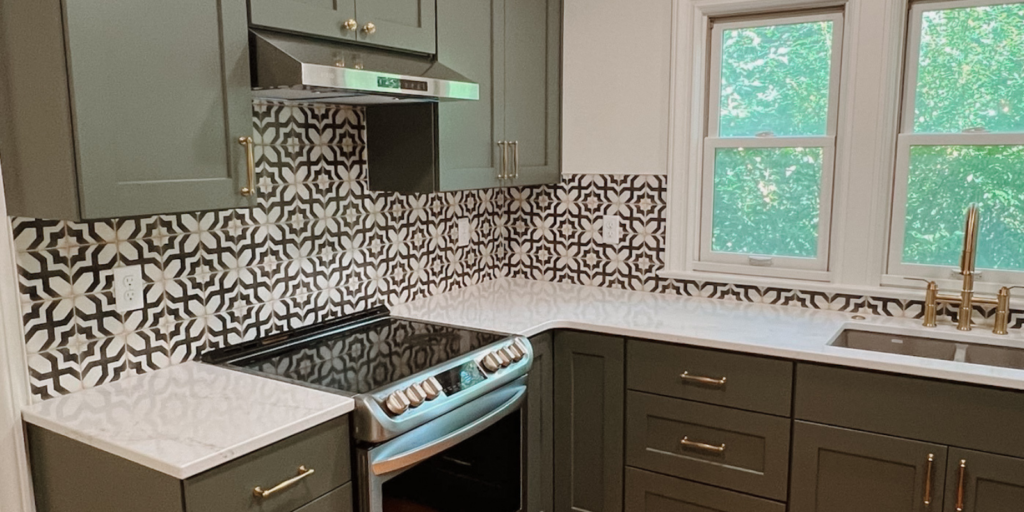
Even though ROI percentages vary, kitchens consistently rank near the top of renovation value,and there’s a reason for that.
Kitchens are:
- Highly visible
- Heavily used
- Emotionally important to buyers
- Central to daily routines
When buyers walk into a home, the kitchen often sets the tone. A well-planned, well-maintained kitchen suggests the home has been cared for overall.
That doesn’t mean it needs to be extravagant. In fact, overly customized kitchens can work against resale in some cases.
What Actually Drives Kitchen Renovation Value
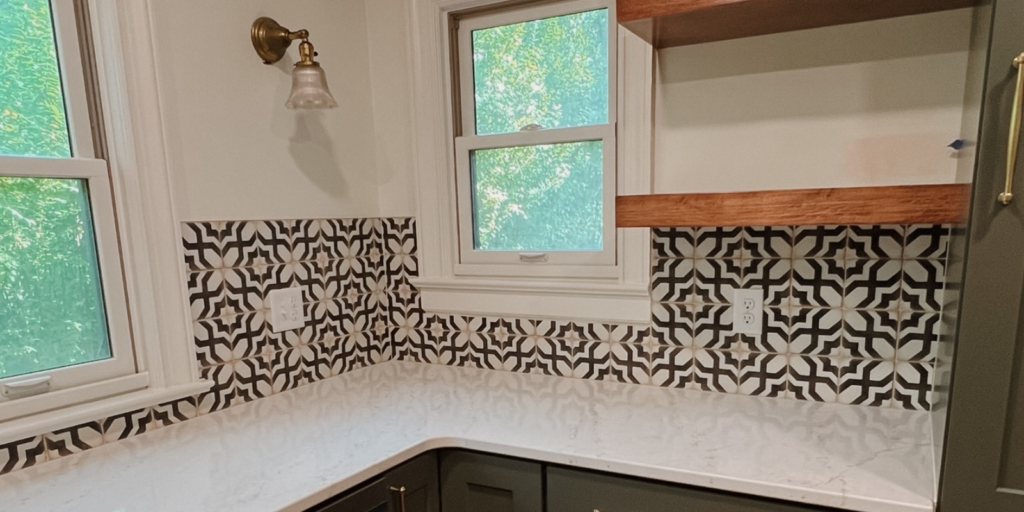
Not all kitchen renovations deliver the same return. The details matter.
Layout and Function Come First
Buyers and homeowners, notice function before finishes.
A kitchen that flows well, has adequate storage, and feels comfortable to use will almost always outperform a flashier kitchen with awkward circulation or poor lighting.
Improvements that tend to support ROI:
- Better traffic flow
- More usable storage
- Logical appliance placement
- Improved lighting
These upgrades often don’t show up in photos, but they’re felt immediately.
Quality and Consistency Matter More Than Luxury
High-end materials don’t automatically equal higher return.
What matters more is:
- Consistency with the rest of the home
- Quality workmanship
- Materials that feel appropriate for the neighborhood
A thoughtfully updated kitchen that fits the home usually outperforms one that feels out of place or overly trendy.
The Role of Market and Neighborhood Context
Kitchen ROI is never universal. It’s always local.
A kitchen renovation should be evaluated relative to:
- Other homes in your neighborhood
- Typical buyer expectations in your market
- The age and style of surrounding properties
In established neighborhoods, buyers often value kitchens that feel updated but not jarringly different from the rest of the home.
Matching the level of renovation to the market is one of the most reliable ways to protect value.
Renovations That Tend to Hold Value Well
While every home is different, certain kitchen improvements tend to age better than others.
Neutral, Timeless Finishes
Neutral doesn’t mean boring,it means flexible.
Kitchens with:
- Balanced color palettes
- Simple cabinet profiles
- Durable surfaces
tend to appeal to a wider audience over time.
Storage Improvements
Pantries, drawers, and smart cabinet solutions often deliver strong lifestyle ROI and quiet resale value.
Buyers may not list “storage configuration” as a top priority,but they notice when it’s missing.
Lighting Upgrades
Good lighting improves function and feel immediately. It’s also one of the easiest ways to make a kitchen feel newer without over-customizing.
Renovations That Can Hurt ROI If Not Thought Through
Some upgrades carry risk if they’re not carefully planned.
Over-Customization
Highly personalized layouts, bold finishes, or niche features may suit one household perfectly,but limit future appeal.
That doesn’t mean you shouldn’t personalize your kitchen. It means being intentional about which choices are permanent and which are easier to change.
Overbuilding for the Neighborhood
A kitchen that far exceeds the rest of the home,or the surrounding market,may not return proportionally at resale.
This doesn’t make it a “bad” decision, but it’s important to understand the tradeoff.
Timing and How Long You Plan to Stay
ROI looks very different depending on your timeline.
Short-Term Ownership
If you plan to sell in a few years:
- Focus on broad appeal
- Prioritize function and visible wear issues
- Avoid highly specific design choices
Long-Term Ownership
If this is your long-term home:
- Lifestyle ROI matters more
- Durability and maintenance become priorities
- The return is spread out over years of daily use
Many homeowners fall somewhere in between, and that’s okay. The key is aligning decisions with reality, not hypotheticals.
How Kitchen ROI Connects to Planning
One of the biggest factors in ROI isn’t what you choose,it’s how the project is planned.
Rushed decisions often lead to:
- Regretful upgrades
- Missed opportunities
- Overcorrecting later
Thoughtful planning allows homeowners to:
- Allocate budget where it matters most
- Avoid unnecessary complexity
- Make decisions with confidence
This is where a deeper understanding of kitchen remodeling, like the considerations outlined in our kitchen remodel planning guide, plays a critical role in long-term value.
ROI Isn’t Just About the End Result
It’s also about the process.
A kitchen renovation that:
- Stays on schedule
- Communicates clearly
- Respects the homeowner’s space
has a form of ROI that doesn’t show up on a spreadsheet,but absolutely matters.
Stress, disruption, and unresolved issues carry their own costs.
A More Realistic Way to Think About Kitchen ROI
Instead of asking, “How much will I get back?”
A more useful question is:
“Will this renovation still feel like a good decision years from now?”
A well-executed kitchen renovation should:
- Improve daily life
- Fit the home and neighborhood
- Age gracefully
- Support future resale,even if that’s not immediate
When those pieces align, ROI tends to follow naturally.
Final Thoughts: Value Is Personal, but Patterns Exist
Kitchen renovation ROI isn’t a single number. It’s a combination of function, quality, context, and time.
Homeowners who approach the process thoughtfully,who understand both the practical and financial sides of the decision,are far more likely to feel satisfied with the outcome.
Whether you’re planning to sell or planning to stay, the most reliable return comes from making decisions that respect both the home and the people who live in it.