
If you’ve lived in your home for 15, 20, even 30 years, chances are your kitchen tells the story.
Maybe the layout worked fine when the kids were little, but now it feels tight. Or maybe you remodeled one part of the house and now the kitchen suddenly looks tired in comparison.
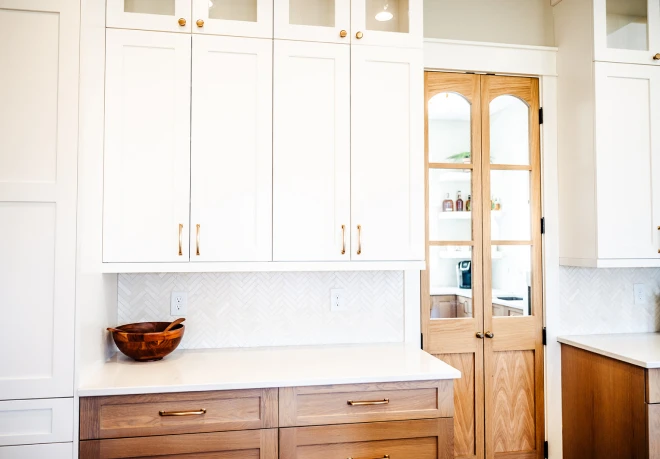
We talk with homeowners across Des Moines, Urbandale, Waukee, Ankeny, Johnston, and West Des Moines who aren’t looking for trendy. They’re looking for something that works better and feels like them.
A kitchen renovation isn’t just about new cabinets. It’s about how your home functions for the next stage of life.
This guide walks through how to think about a kitchen renovation in Des Moines — realistically, thoughtfully, and without unnecessary stress.
Most kitchen remodels don’t start with “We want quartz.”
They start with something practical:
The fridge blocks traffic flow.
The pantry doesn’t hold enough.
The island is too small.
The space feels dark.
Or… you remodeled the basement and now the kitchen feels 20 years older.
1. Growing families
More storage. Better flow. Durable finishes.
2. Empty nesters staying put
Updating outdated finishes. Improving lighting. Making the space easier to live in long-term.
3. Long-term homeowners ready to invest
They aren’t moving. They want it done well — and done once.
Every renovation starts with a different reason. The key is understanding why before jumping into selections.
If you’re still sorting through your reasoning, this may help: Kitchen Remodel Thought Process for Homeowners
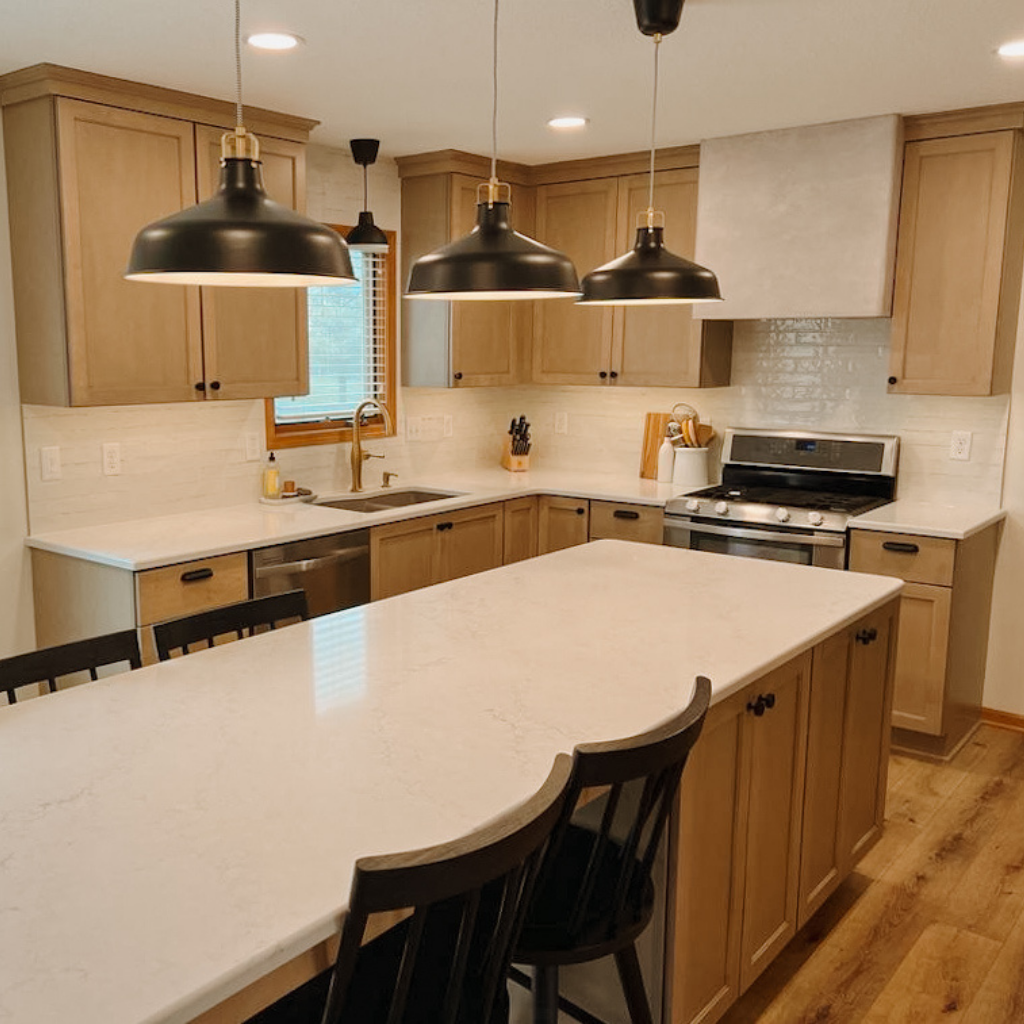
Not every project requires tearing everything down to studs.
Sometimes homeowners start by asking:
“Can we just replace the doors?”
“Can we keep the cabinets and update countertops?”
“Do we have to move plumbing to improve the layout?”
There’s a big difference between cosmetic updates and structural changes.
Finish & fixture updates
Cosmetic
Refresh
Update
Surface improvements
Layout-preserving
Finish-focused
Low structural impact
Faster turnaround
Layout & construction changes
Transformational
Structural
Reconfiguration
Full redesign
Layout-changing
System upgrades
Custom build
Whole-space overhaul
Neither approach is automatically right or wrong. The right answer depends on:
How long you plan to stay
Whether the layout truly works
What condition your existing cabinets are in
Budget and disruption tolerance
For a deeper breakdown, see: Major vs. Minor Kitchen Renovations
A kitchen renovation disrupts your home. There’s no way around that.
Which makes who you hire matter just as much as what you choose.
Before committing, homeowners should understand:
Who manages the project daily?
How is communication handled?
What happens if something unexpected comes up?
How are change orders documented?
What does the cleanup process look like?
How are subcontractors vetted?
Trust is often built long before demolition begins.
If you’re comparing contractors, this guide is worth reading:
One of the biggest mistakes in kitchen remodeling is designing for inspiration photos instead of daily habits.
We encourage homeowners to think about:
Where groceries land when you walk in
How often you cook
Whether multiple people use the kitchen at once
Entertaining vs. quiet evenings
Long-term accessibility
Sometimes that means:
A larger pantry wall instead of open shelving
A wider aisle for better traffic flow
Drawers instead of lower cabinets
Layered lighting instead of a single overhead fixture
Good design feels obvious once it’s done — but it’s intentional underneath.
Homes in Central Iowa often share similarities:
Ranch layouts with kitchens centered in the home
Split-levels with tight transitions
Early 2000s oak cabinetry
Closed-off dining rooms
Popcorn ceilings or heavy trim
Renovating well means understanding how these homes were originally built — and how to improve them without overcomplicating the structure.
It also means being realistic about what can and can’t be changed without major reconstruction.
Thoughtful remodeling respects the home’s bones while improving how it functions.
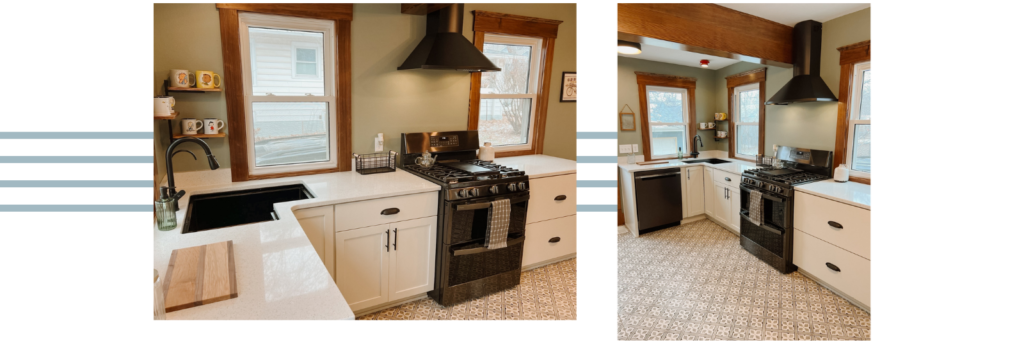
Some homeowners are ready.
Others are still weighing the disruption.
You don’t have to rush the decision. In fact, the best kitchen renovations usually come from homeowners who’ve thought about it for a while.
If you’re early in the process, start with:
Clarifying your motivation
Understanding scope differences
Learning what impacts timeline and cost
Asking better questions
Then move forward when it feels steady — not urgent.
Kitchen renovation costs in Des Moines vary depending on scope, materials, and structural changes.
Minor changes can range from $15K – $75K
*This depends on size of your kitchen, how many cabinets, countertop sq ft, and selections chosen.
Major changes can range from $75K – $200K+
*This depends on size of your kitchen, structural changes made, level of cabinets chosen, countertop sq ft, with fixtures and selections chosen.
Most full kitchen remodels in Central Iowa take several weeks of active construction after design and materials are finalized. Cabinet lead times and structural changes can extend the overall project timeline.
Permits are typically required if your project involves electrical, plumbing, or structural changes. A professional kitchen remodeling contractor will manage this process and ensure inspections are completed properly.
Yes, most homeowners in Des Moines remain in their homes during construction. However, you should expect temporary disruption to your kitchen and daily routines. Proper planning can help reduce inconvenience.
For many long-term homeowners, updating a kitchen improves daily comfort and functionality. A thoughtful renovation can support aging in place and long-term enjoyment.
A kitchen renovation often refers to surface-level updates such as cabinets, countertops, and lighting. A remodel typically involves structural changes, layout adjustments, or relocating plumbing and electrical systems.
If you’ve lived in your home for 15, 20, even 30 years, chances are your kitchen tells the story.
Maybe the layout worked fine when the kids were little, but now it feels tight. Or maybe you remodeled one part of the house and now the kitchen suddenly looks tired in comparison.