
Most homeowners don’t hesitate because of the design or the investment.
They hesitate because of what it might feel like to live through it.
A kitchen torn apart for weeks. Dust finding its way into everything. Not knowing who’s showing up or when. Feeling like you have to manage the project just to keep it moving.
If you’ve heard those stories—or lived through one yourself—you’re not alone.
The truth is, remodeling will always involve some level of disruption.
But it shouldn’t take over your life. And when it does, it’s usually not because of the scope of the project. It’s because of how the project is planned and managed.
Why Remodeling Can Feel Stressful
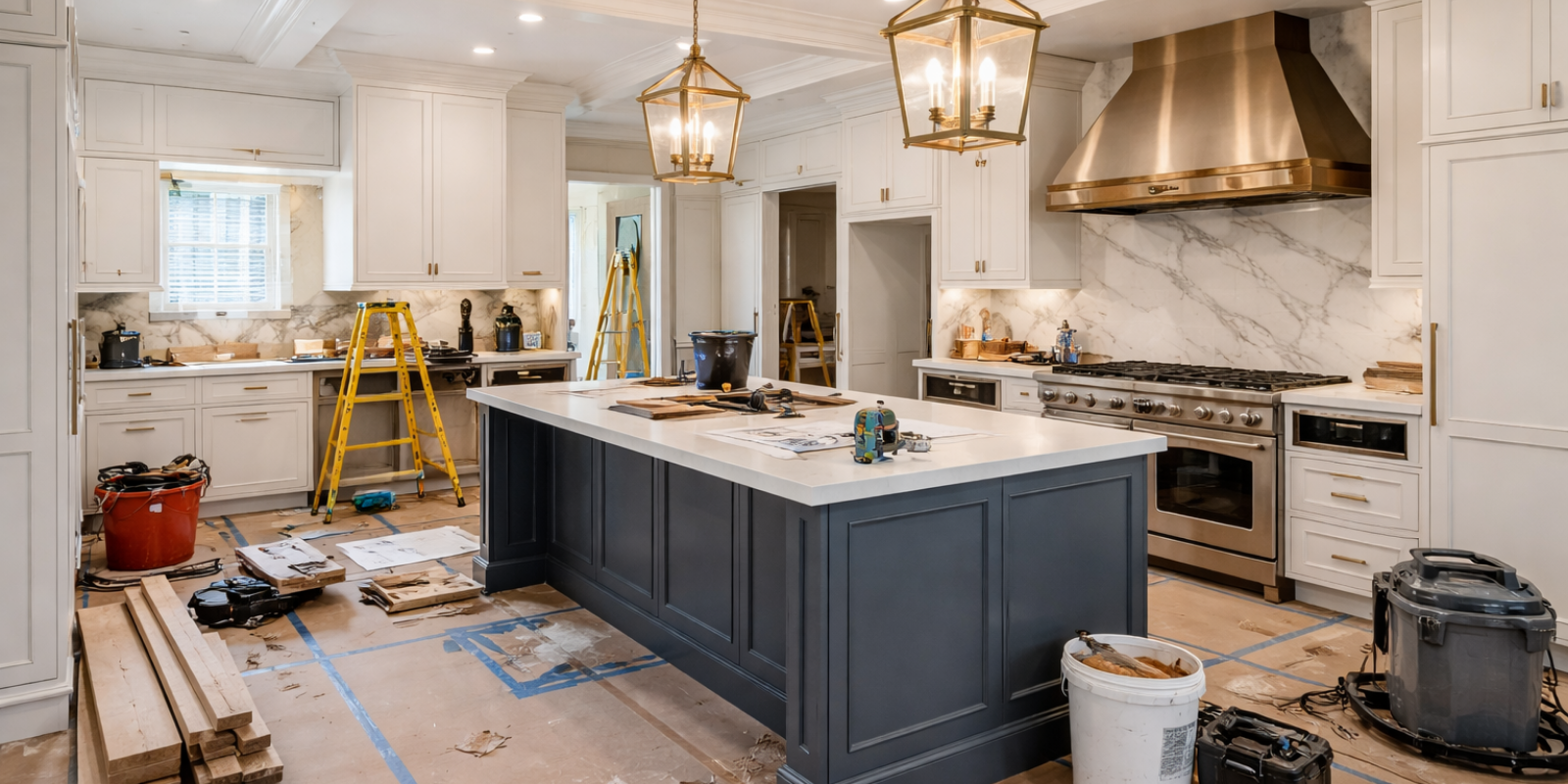
When a remodel becomes overwhelming, it usually comes down to a few predictable issues:
- There wasn’t a clear plan before work started
- Communication is inconsistent or reactive
- Timelines feel uncertain or constantly shifting
- The job site feels messy or intrusive
- The homeowner ends up coordinating details themselves
None of these are about finishes or design decisions. They’re about the experience of living through the project.
And most of them can be traced back to the same root issue: lack of structure and follow-through.
That’s why having a clear, step-by-step process matters more than most homeowners expect.
What Actually Reduces Stress in a Remodel
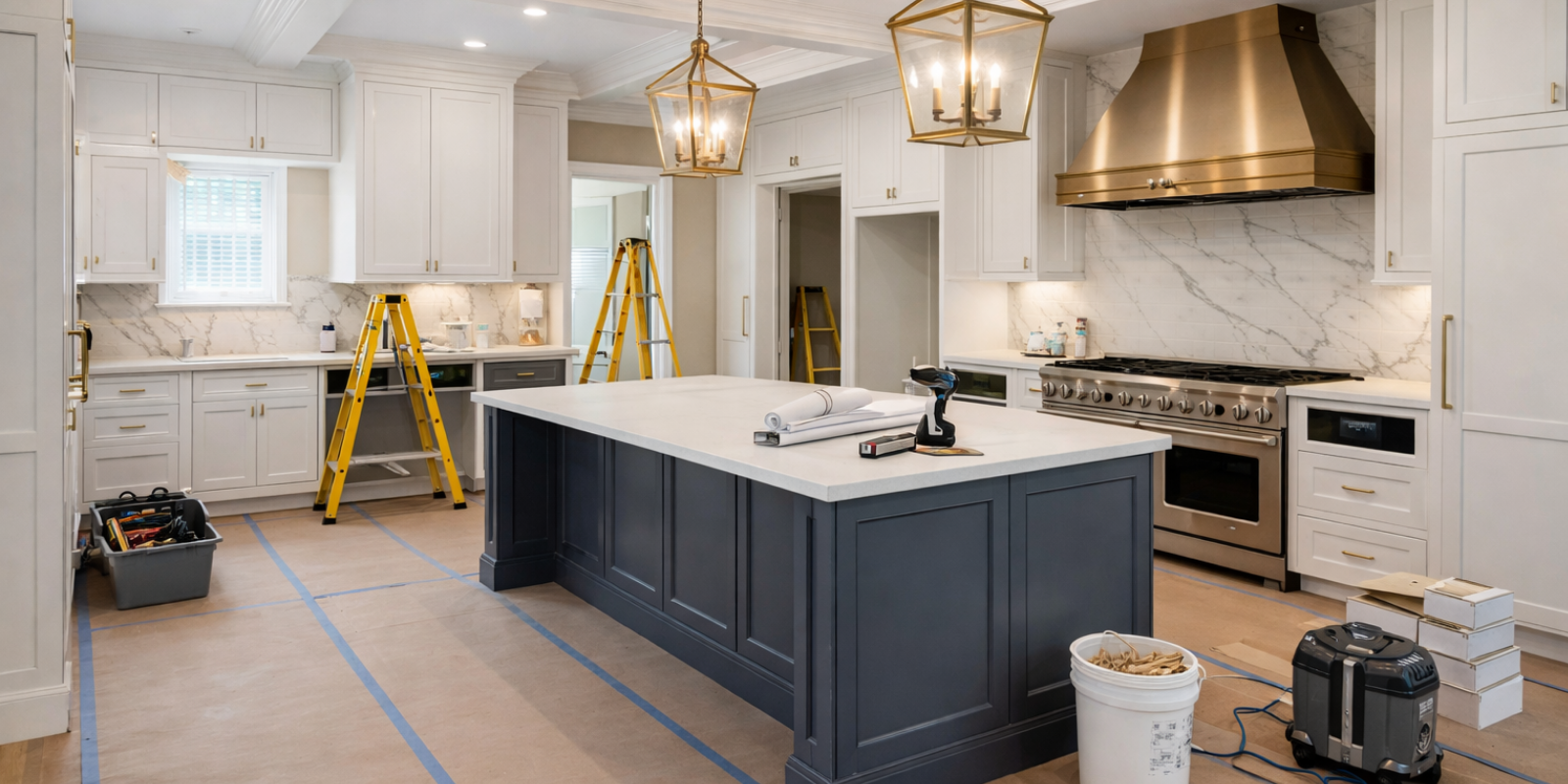
When a project runs smoothly, it’s usually because a few things are done consistently well:
- A clear plan is established before construction begins
- Communication is proactive, not something you have to chase
- The home is treated with respect throughout the project
Those aren’t flashy details, but they’re what make the difference between a remodel that feels manageable and one that feels overwhelming.
Start With a Clear Plan

One of the biggest misconceptions in remodeling is that the stress happens during construction.
In reality, most stress is created before the first day of work, when decisions are rushed or unclear.
A well-planned project should answer questions like:
- What is the final layout going to be?
- Have materials and finishes been selected?
- What is the expected timeline?
- What decisions still need to be made—and when?
When those details are worked through early, the construction phase becomes far more predictable.
For many homeowners, this is the stage that brings the most clarity—especially when they’ve taken time to review things like what Des Moines homeowners should think through before starting a kitchen remodel.
Communication Should Be Proactive—Not Reactive
One of the most common frustrations homeowners describe isn’t the work itself—it’s not knowing what’s happening.
When communication is unclear, small questions start to feel like bigger concerns:
- When will the next phase start?
- Who should I talk to about this detail?
- Is everything still on schedule?
For busy homeowners, this becomes exhausting quickly.
A well-managed remodel should include:
- Regular updates
- Clear next steps
- A consistent point of contact
You shouldn’t have to follow up just to understand your own project.
If you’re evaluating contractors, it’s worth understanding what questions you should ask before your kitchen remodel.
Clean Job Sites Are Not a Small Detail
This is often underestimated until you’re living in the middle of it.
Even a well-designed remodel can feel stressful if the job site isn’t managed properly day to day.
Things like:
- Dust spreading beyond the work area
- Tools and materials left in shared spaces
- Lack of daily cleanup
These don’t just affect how your home looks—they affect how it feels to live in it.
Respect for your home shows up in the small, consistent habits:
- Protecting surrounding areas
- Cleaning up at the end of each day
- Keeping disruption contained as much as possible
It’s one of the clearest indicators of professionalism—and one that homeowners notice immediately.
A Realistic Timeline
Every remodel comes with some unknowns, but not everything should feel uncertain.
A realistic timeline:
- Accounts for planning and ordering materials
- Builds in reasonable expectations for each phase
- Is communicated clearly from the beginning
When timelines stretch unnecessarily, it’s often due to:
- Incomplete planning
- Late design decisions
- Lack of coordination
That’s why understanding expectations early matters. For example, many homeowners benefit from reviewing how long a kitchen remodel typically takes before getting started.
Not because every project is identical, but because it sets a baseline for what’s reasonable.
The Right Team Changes Everything
At some point, most homeowners realize they don’t just need someone to do the work.
They need someone to manage the entire experience.
That means working with a team that:
- Plans ahead
- Communicates clearly
- Coordinates the details
- Respects your time and your home
For many of our clients, that’s what ultimately gives them confidence moving forward—especially when they understand how we approach remodeling and how each phase is handled.
And just as important, it’s about knowing how our team works with homeowners—because the relationship matters as much as the result.
Common Mistakes That Add Stress
Most remodeling stress isn’t random—it’s predictable.
A few common patterns we see:
- Starting without a fully developed plan
- Choosing based on the lowest bid instead of overall fit
- Underestimating how disruptive the project will be
- Not clarifying communication expectations upfront
If you want a deeper look at these, this guide on common renovation mistakes and how to avoid them walks through them in more detail.
A More Manageable Way to Remodel
Remodeling will always require some level of adjustment. There will be noise, movement, and temporary inconvenience.
But it shouldn’t feel chaotic.
When the planning is clear, communication is consistent, and the job site is managed with care, the experience feels different. More predictable. More organized. Easier to live with.
The goal isn’t to eliminate every inconvenience.
It’s to work with a team that keeps the process clear, manages the details, and respects your home along the way.
Your best next step is to contact Reese Design + Build for a free consultation. You’ll get options and a plan that’s right for you and your family’s needs.
Remodeling Without the Stress: A Simple Checklist
If you're in the early stages of planning, this can help you think through what matters most before work begins.
Planning
- ☐ Have we finalized the layout?
- ☐ Do we understand how we’ll use the space day-to-day?
- ☐ Are key materials and finishes selected?
Expectations
- ☐ Do we have a clear timeline?
- ☐ Do we understand what disruption will look like?
- ☐ Do we know what decisions still need to be made?
Communication
- ☐ Do we know who our main point of contact is?
- ☐ How often will we receive updates?
- ☐ Do we understand how questions are handled during the project?
Job Site & Living Conditions
- ☐ How will dust and debris be managed?
- ☐ What areas of the home will be affected?
- ☐ What is cleaned daily vs. at project completion?
Team Fit
- ☐ Do we feel confident in how this team communicates?
- ☐ Do they seem organized and proactive?
- ☐ Are they helping guide decisions—not just reacting?
Most of the stress homeowners experience during a remodel can be traced back to one of these areas. The more clarity you have going in, the more manageable the process becomes.
Frequently Asked Questions About Remodeling Without the Stress
How do I minimize disruption during a home remodel?
You won’t eliminate disruption completely—but you can control how much it affects your daily life.
The biggest factors are:
- Planning decisions before construction starts
- Having a clear timeline
- Working with a team that keeps the job site organized and contained
When those pieces are in place, most homeowners find the process far more manageable than they expected.
How long will my remodel take?
It depends on the scope, but more importantly, it depends on how well the project is planned.
A well-prepared project tends to stay on track. One with a lot of open decisions often stretches longer than expected.
If you’re starting with a kitchen, this guide on how long a kitchen remodel typically takes can help set realistic expectations.
Is it normal to live in the house during a remodel?
Yes, many homeowners do, especially for kitchen, bathroom, or phased projects.
That said, it’s much easier when:
- Work areas are clearly separated
- Dust and debris are controlled
- The crew cleans up consistently
This is where day-to-day job site management makes a noticeable difference in how the experience feels.
How do I choose a remodeling contractor I can trust?
Most homeowners rely on a combination of referrals, past work, and how the initial conversations feel.
A few things worth paying attention to:
- How clearly they explain their process
- Whether they answer questions directly
- How organized and responsive they are early on
If you’re comparing options, reviewing what questions to ask before your kitchen remodel can help you make a more confident decision.
What causes remodeling projects to become stressful?
In most cases, it’s not the construction itself—it’s the lack of clarity.
Common causes include:
- Starting without a fully developed plan
- Poor or inconsistent communication
- Unrealistic timelines
- Disorganized job sites
These are avoidable with the right preparation and team.
Are clean job sites really that important?
They matter more than most people expect.
A clean, organized job site:
- Reduces how far disruption spreads through your home
- Makes it easier to continue daily routines
- Signals that the project is being managed carefully
It’s one of the clearest day-to-day indicators of how a remodel is being handled.
Can I make changes once the project has started?
You can, but changes during construction often affect the timeline and cost.
That’s why most experienced teams spend more time upfront planning details. It reduces the need for mid-project adjustments and keeps things moving smoothly.
What’s the best way to avoid remodeling mistakes?
The simplest answer is to slow down the front end of the project.
Take time to:
- Think through how you use the space
- Finalize key decisions before construction
- Choose a team that communicates clearly
If you want to go deeper, this article on common renovation mistakes and how to avoid them outlines what to watch for.