
Most homeowners understand that a renovation will have a few hiccups or unforeseen issues along the way. But they expect the process to be organized, communicative, and handled well.
What we hear most often sounds something like this:
“We just don’t want surprises. We don’t want this to drag on. And we definitely don’t want to redo anything later.”
After decades of working inside Central Iowa homes — ranch houses, split-levels, growing-family kitchens, and “last remodel” updates for empty nesters — we’ve seen where renovations tend to go sideways.
Almost every costly issue we see traces back to the same few planning gaps — things that are usually avoidable with the right process.
Here are five of the most common ones and how we intentionally plan to avoid them.
1. Starting Construction Before the Design Is Fully Thought Through
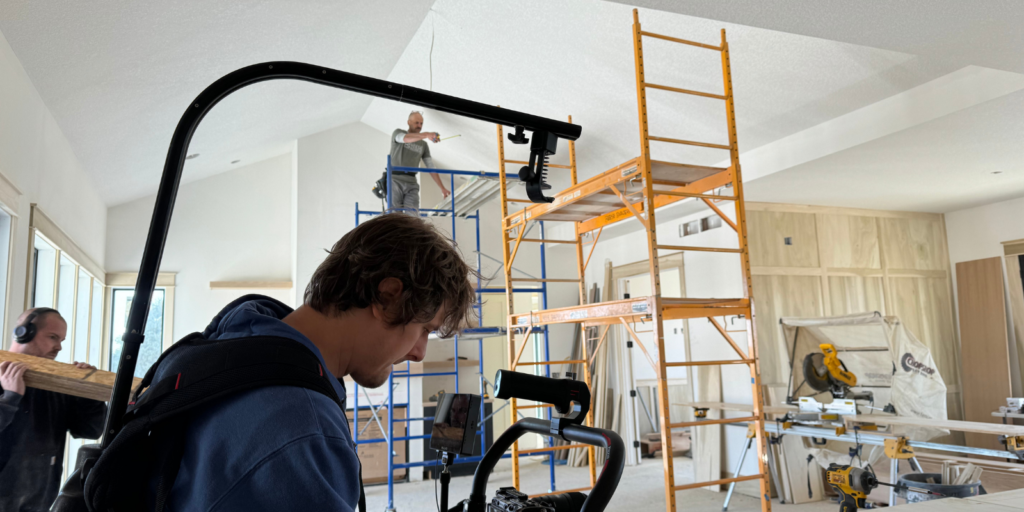
This is one of the most expensive mistakes we see. When decisions are still being made during construction, the result is usually:
- Change orders
- Delays
- Rushed choices, homeowners second-guess later
It’s especially common in older ranch homes, where the kitchen sits right in the middle of the house. Once walls come down, the entire main level feels disrupted — and pressure builds quickly to “just decide” so work can keep moving.
How we avoid it:
We slow the front end down on purpose.
Before construction begins, we work through layout, selections, and logistics in detail — not just what looks good, but how the space will function day to day. Slowing the front end down doesn’t mean dragging things out; it means removing guesswork before it becomes expensive.
That extra time up front reduces mid-project changes and gives homeowners confidence instead of decision fatigue.
If you already feel pressure to start building before plans feel clear, that’s often a sign the design phase needs more attention — not less.
2. Underestimating How Disruptive a Remodel Will Be
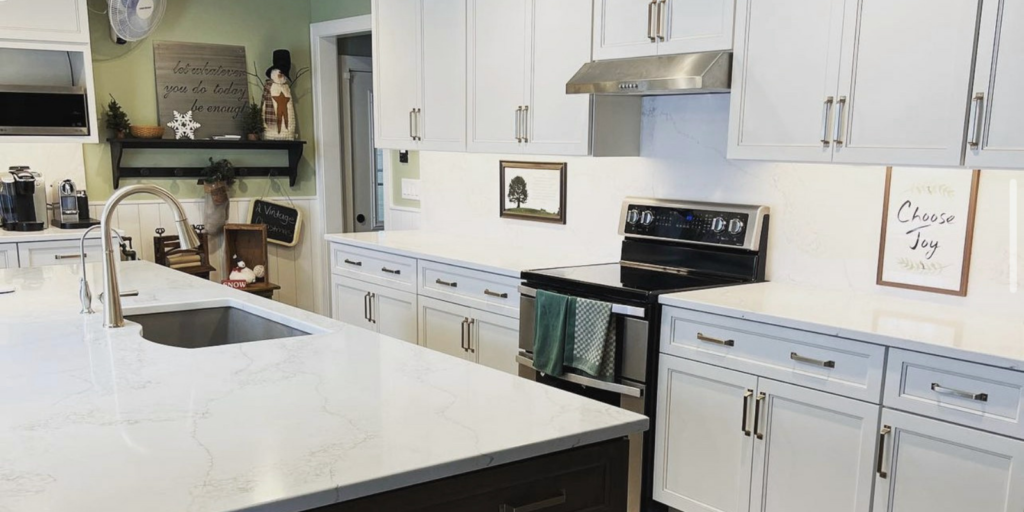
Even a well-run renovation is still disruptive, especially when it affects kitchens, bathrooms, or your main living spaces.
We’ve worked with families who were told, “It won’t be that bad,” only to realize later:
- The kitchen is out of service longer than expected
- Temporary setups are more stressful than anticipated
- Noise and dust affect daily routines more than planned
Some inconvenience is unavoidable. What creates regret isn’t the disruption itself — it’s uncertainty about what’s happening next.
How we avoid it:
We talk honestly about disruption early.
That includes:
- Realistic timelines
- What parts of the home will be affected and when
- How long specific phases typically last
- What day-to-day life usually looks like during construction
We plan this way because we know people are still living their lives inside these homes.
Clear expectations don’t eliminate inconvenience — but they do eliminate unnecessary anxiety.
3. Choosing Materials Without Considering Long-Term Use
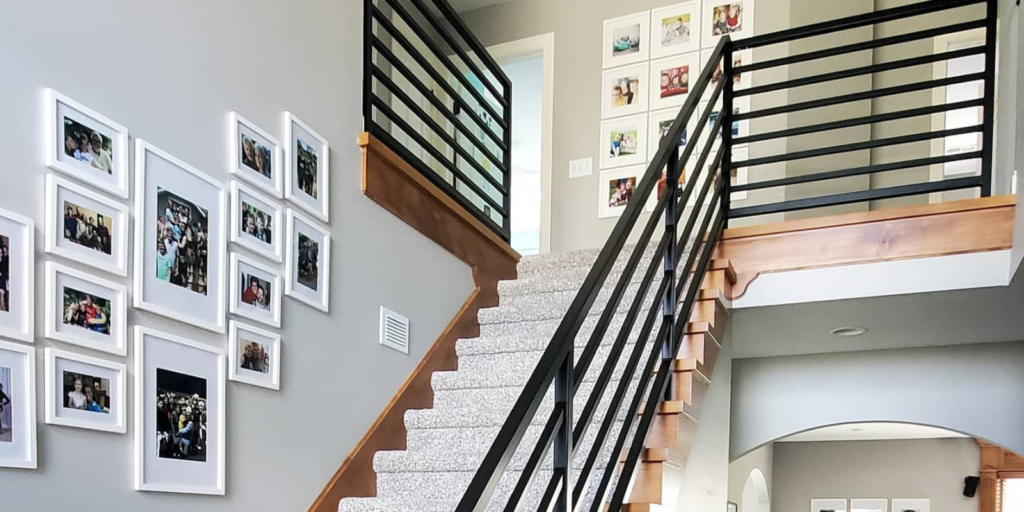
It’s easy to fall in love with a look. It’s harder to live with it five or ten years later.
Some of the most common regrets we hear involve:
- Cabinets that don’t hold up to daily use
- Flooring that shows wear too quickly
- Finishes that photograph beautifully but feel impractical at home
These choices are rarely “wrong.” They’re just made too quickly, or without enough context.
How we avoid it:
We help homeowners think beyond the showroom.
That means talking through:
- How the space is actually used
- Who uses it (kids, guests, aging parents)
- Maintenance and durability over time
- What tends to age well versus what’s more trend-driven
There’s no single right answer, but informed decisions usually lead to fewer regrets.
4. Focusing Only on Price Instead of Process
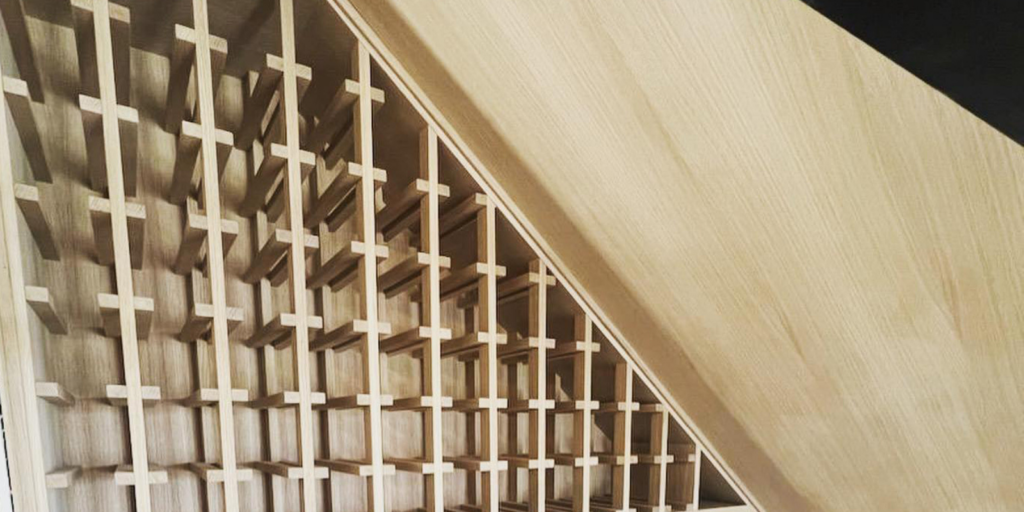
Budget matters. That’s reality.
But choosing a contractor based solely on the lowest number often leads to:
- Missing scope
- Vague timelines
- Poor communication
- Surprise costs later
What looks less expensive on paper can end up costing more — financially and emotionally — by the end.
How we avoid it:
We prioritize clarity over speed.
Our proposals are detailed so homeowners understand:
- What’s included (and what isn’t)
- How the project will be managed
- Who they’ll communicate with
- How changes and decisions are handled
Some costs are unavoidable. Confusion shouldn’t be one of them.
5. Assuming “It’ll All Work Out” Without a Clear Plan
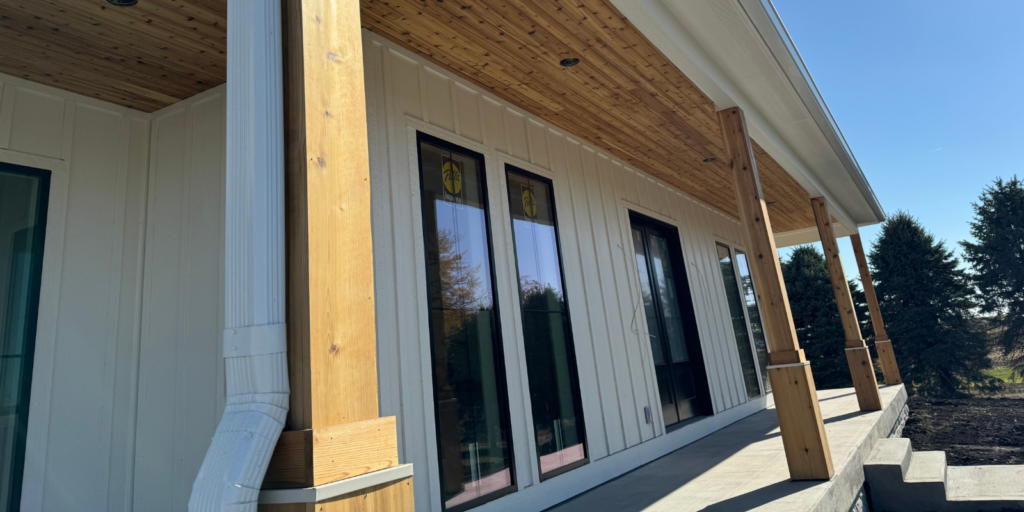
Hope is not a strategy — particularly in construction.
Projects without a clear plan often struggle with:
- Scheduling gaps
- Trades overlapping inefficiently
- Missed details toward the end
- Frustrating final walkthroughs
These problems usually don’t come from bad intentions, just a lack of coordination.
How we avoid it:
We plan the entire project before building begins.
That includes:
- Sequencing trades intentionally
- Confirming lead times in advance
- Managing daily jobsite expectations
- Conducting thorough final walkthroughs
It’s not flashy, but it’s what keeps projects moving steadily and finishing well.
What a Well-Planned Remodel Usually Includes
While every home and project is different, well-run renovations tend to share a few fundamentals:
- A clearly defined scope before construction starts
- Known decision points — not constant last-minute choices
- Realistic conversations about timelines and disruption
- One clear point of communication throughout the project
These elements don’t eliminate every challenge, but they dramatically reduce stress.
A Renovation Doesn’t Have to Feel Risky
Most renovation regrets aren’t about what homeowners chose — they’re about when and how those choices were made.
A well-run remodel feels different:
- Expectations are clear
- Communication is steady
- Decisions are made with confidence
- The home feels respected throughout the process
Whether you’re planning a kitchen update, a phased remodel, or simply gathering information, understanding these pitfalls early can save time, stress, and money later.
Even if you’re not sure who you’ll hire yet, knowing what to watch for — and what to ask — puts you in a stronger position from the start.
Frequently Asked Questions
How long should the design phase take before construction starts?
There’s no single timeline that fits every project, but most well-run remodels spend several weeks in design and planning before construction begins.
That time is used to:
- Finalize layouts and selections
- Confirm pricing and lead times
- Think through logistics inside an existing home
When the design phase feels rushed, construction usually becomes more stressful, not faster.
Is it normal for a remodel to disrupt daily life this much?
Some disruption is unavoidable, especially with kitchens, bathrooms, or main living areas.
What matters most isn’t eliminating inconvenience, it’s knowing what to expect:
- When certain spaces will be unavailable
- How long each phase typically lasts
- Who to contact when questions come up
Clear expectations make disruption manageable instead of overwhelming.
Can decisions still change once construction starts?
Ye, but changes during construction almost always affect cost, timeline, or both.
That’s why we encourage homeowners to:
- Make as many decisions as possible before building begins
- Understand where flexibility exists — and where it doesn’t
Thoughtful planning upfront gives you options without pressure later.
Why do some estimates look lower than others?
Lower numbers often reflect:
- Missing scope
- Allowances that may not match real selections
- Less clarity around scheduling or management
A detailed proposal may not be the lowest number on paper, but it usually results in fewer surprises during the project.
What’s the biggest sign a remodel is being planned well?
Consistency. Well-planned projects typically have:
- One clear point of communication
- Fewer last-minute decisions
- A steady pace instead of constant starts and stops
- A calmer experience for the homeowner
When the process feels organized, the outcome usually follows.
A Steadier Process Leads to a Better Experience
A few hiccups or unforeseen conditions are part of working in existing homes. But with the right process in place, those moments don’t have to derail the project or the relationship.
Whether you’re actively planning a renovation or simply starting to gather information, understanding what tends to cause regret — and what helps prevent it — puts you in a stronger position. And when you’re ready to have a thoughtful, low-pressure conversation about your own project, you can start by requesting an estimate here.
A well-planned remodel doesn’t just lead to a better result. It makes the entire experience more manageable, more predictable, and ultimately, more rewarding.