
A basement remodel can add valuable living space to a home.
But before construction begins, there’s usually a period of planning that helps ensure the project runs smoothly.
For homeowners in Des Moines, Ankeny, Urbandale, Johnston, and Waukee, thoughtful planning often makes the difference between a basement that simply looks finished and one that truly feels integrated with the rest of the home.
If you’re early in the research process, our Des Moines Basement Remodel Guide offers a helpful overview of design options, planning steps, and common remodeling questions.
Start With How You Want to Use the Space
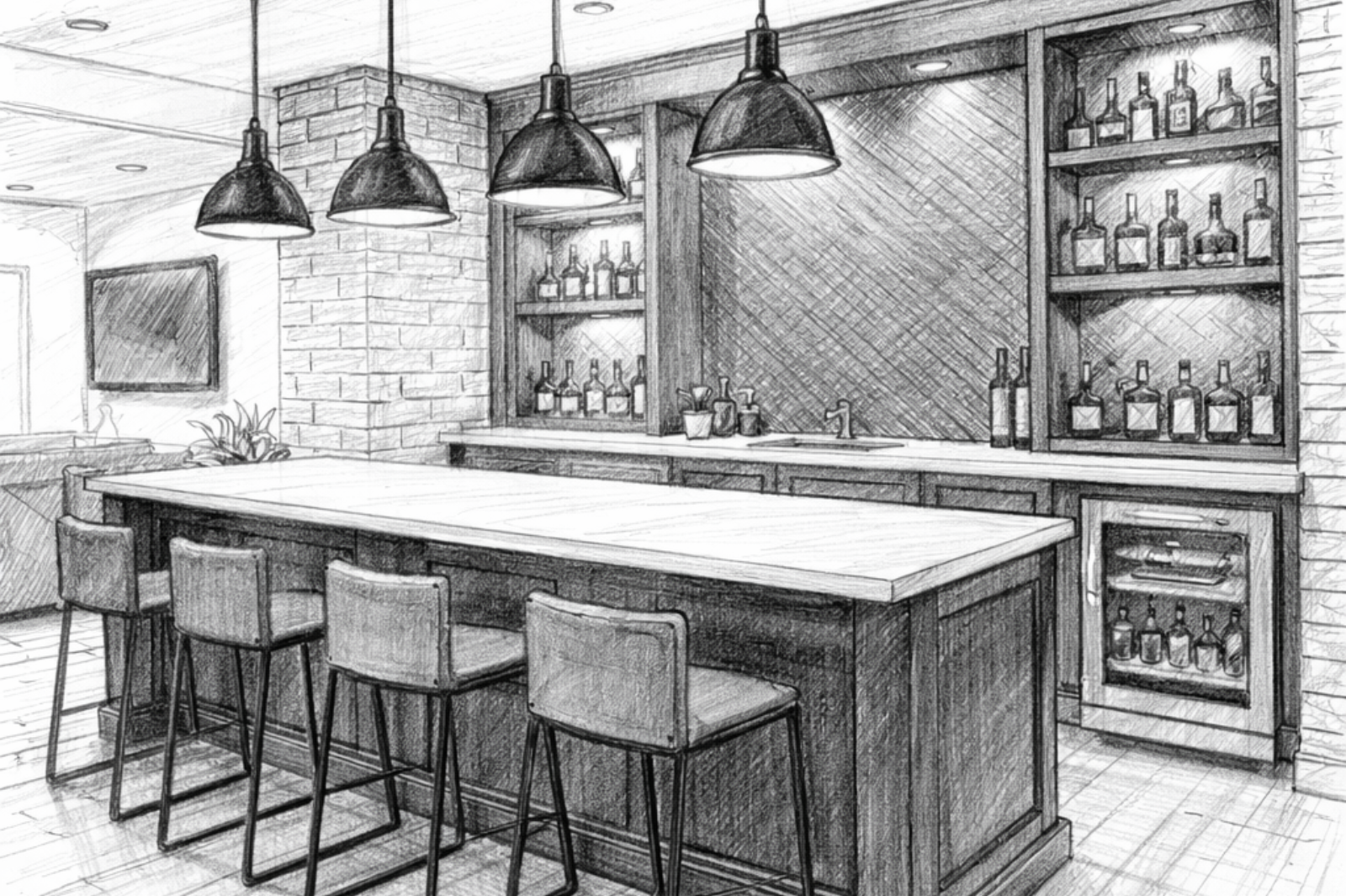
The most important question in a basement remodel is simple: How should the space function?
Some homeowners want a relaxed family room.
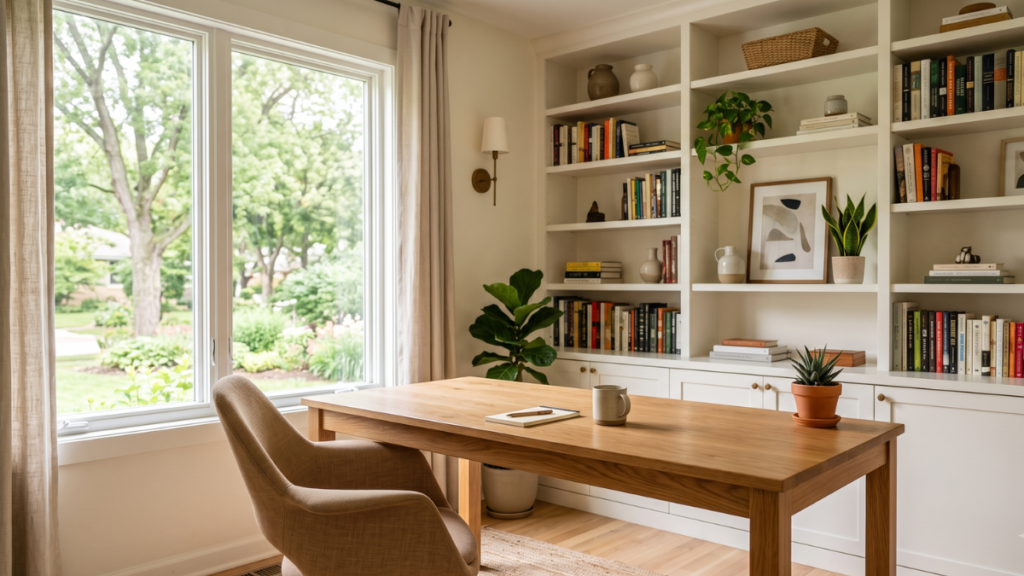
Others want a guest suite, home office, or hobby space.
Common basement uses include:
- family entertainment rooms
- guest bedrooms
- home offices
- workout areas
- playrooms for children
- casual entertaining spaces
Before thinking about finishes or furniture, it helps to clarify how the space will actually be used.
Evaluate the Existing Basement Layout
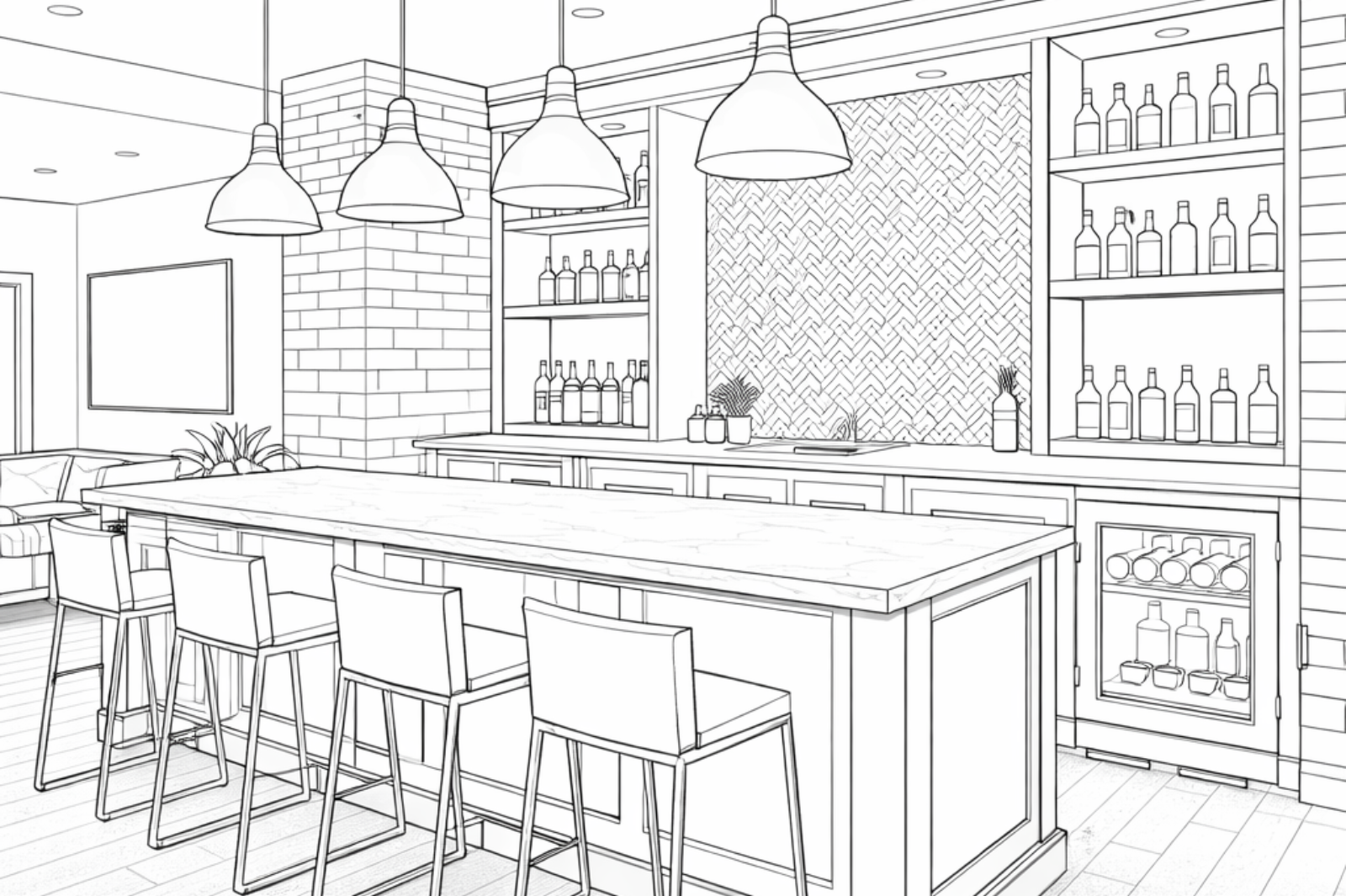
Basements often contain important mechanical systems such as:
- furnace and HVAC equipment
- plumbing lines
- electrical panels
- support beams
These elements influence what can realistically be done with the space.
In many homes, the layout naturally suggests where rooms should be placed.
For example:
- bathrooms near existing plumbing
- offices in quieter areas
- open recreation space near stairs
Plan for Lighting
Basements tend to have less natural light than the rest of the home.
Good lighting design can dramatically improve how the space feels.
Planning often includes:
- recessed lighting
- wall sconces
- layered lighting for different activities
If bedrooms are being added, an egress window is typically required for safety and natural light.
Think About Ceiling Height
Older homes in Central Iowa sometimes have lower basement ceilings.
This can influence the design of rooms and lighting.
Solutions may include:
- careful placement of ductwork
- creative ceiling treatments
- strategic lighting
A thoughtful design approach can make the space feel more open even when ceiling height is limited.
Include Storage in the Plan
Basements often serve double duty as storage space.
Rather than leaving storage as an afterthought, many remodels include built-in storage areas such as:
- closets
- shelving
- utility room organization
- seasonal storage areas
This keeps the finished space organized and usable.
Understand Local Building Requirements
Certain basement features must follow building codes.
These may include:
- egress windows for bedrooms
- electrical upgrades
- plumbing requirements
- permit approvals
Planning for these requirements early in the process helps prevent delays during construction.
Basement Remodel Ideas to Consider
Once planning is underway, homeowners often begin exploring design ideas.
Popular basement features include:
- family entertainment rooms
- built-in bars or beverage areas
- guest suites
- home offices
- flexible recreation spaces
For inspiration, you can explore several examples in our article on Basement Remodel Ideas for Des Moines Homes.
You can also see additional inspiration in this guide.
A Well-Planned Basement Remodel Feels Like Part of the Home
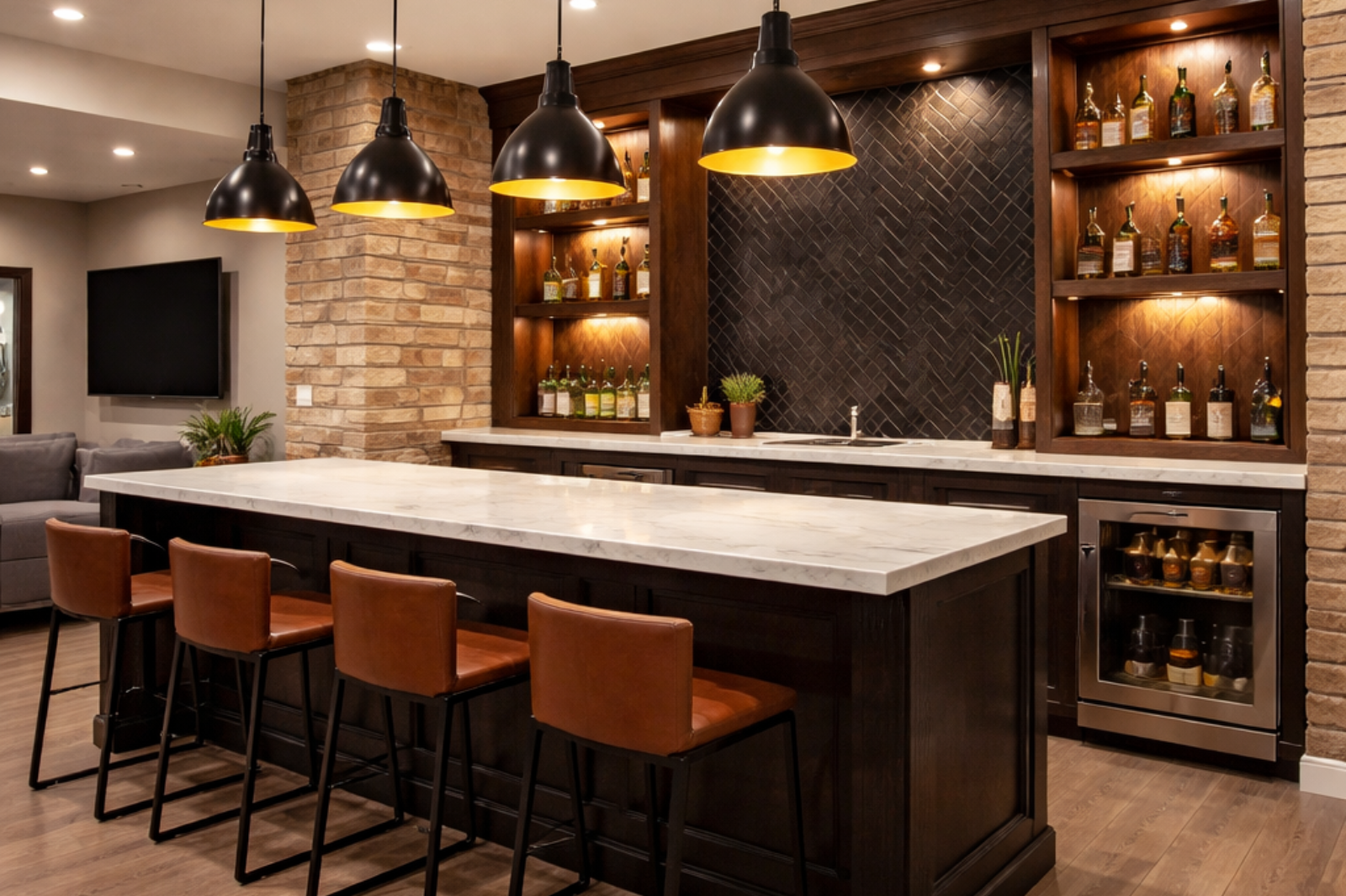
The goal of basement remodeling isn’t simply finishing an unused space.
It’s creating a place that supports how the household lives.
When planning is done carefully, the basement becomes a natural extension of the home — comfortable, functional, and designed for everyday use. Contact Reese Design + Build for a free consultation. You’ll get options and a plan that’s right for you!