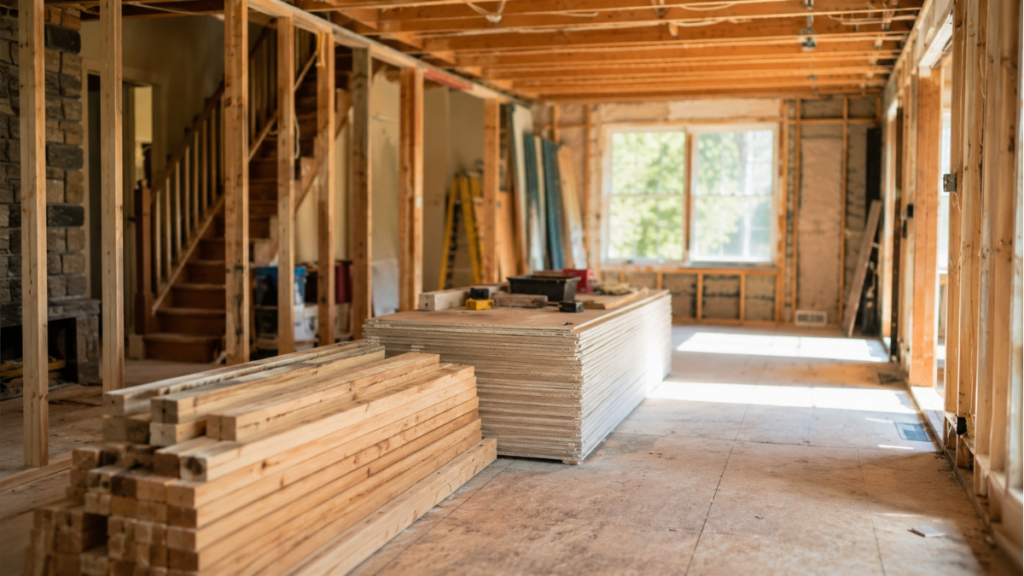

For many homeowners in Central Iowa, the basement is the largest unused space in the house.
It’s finished enough to store boxes, maybe hold a treadmill or an old couch — but it rarely becomes a place people enjoy spending time.
At some point, the question starts to come up: “Should we finally do something with the basement?”
Across Des Moines, Ankeny, Urbandale, Johnston, Waukee, and West Des Moines, more homeowners are turning basements into comfortable, usable spaces.
A thoughtful basement remodel can turn that underused square footage into one of the most enjoyable areas in the home. But the best designs aren’t always the flashiest ones. They’re the ones that make everyday life easier.
If you’re looking for more inspiration, you can also explore our guide on
6 Basement Remodeling Ideas in Des Moines.
Below are basement remodel ideas that tend to work especially well in Central Iowa homes.
1. A Comfortable Family Lounge
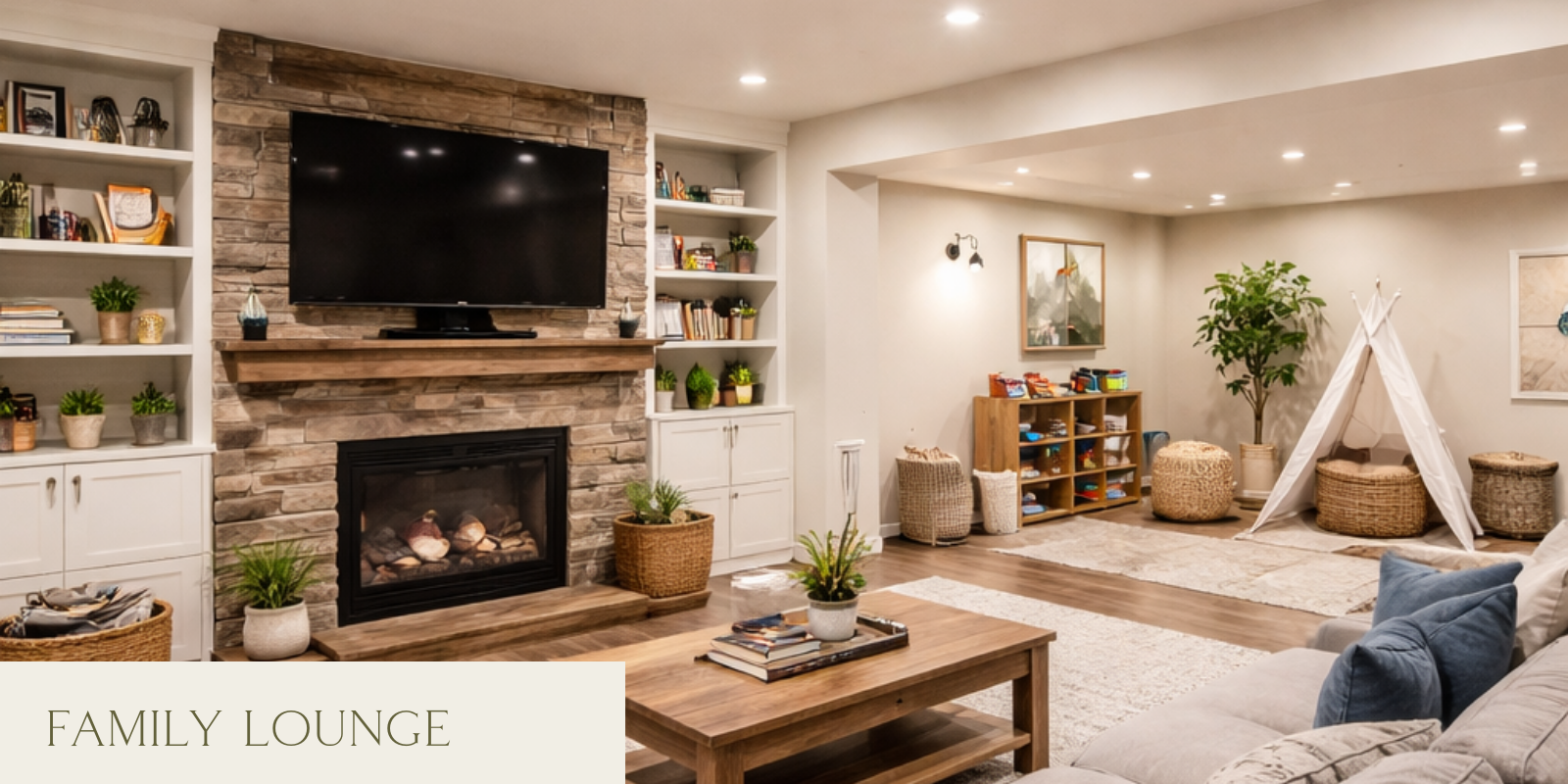
In many homes, the basement becomes the most relaxed room in the house.
Not a formal living room. Not a perfectly styled space.
Just a place where people gather.
For families, this often includes:
- A comfortable sectional
- A large TV or projector
- Durable flooring
- Storage for games, blankets, and kids’ activities
Unlike the main level, the basement tends to feel quieter and more private — which makes it ideal for movie nights, watching games, or simply relaxing.
2. A Guest Suite That Actually Feels Private
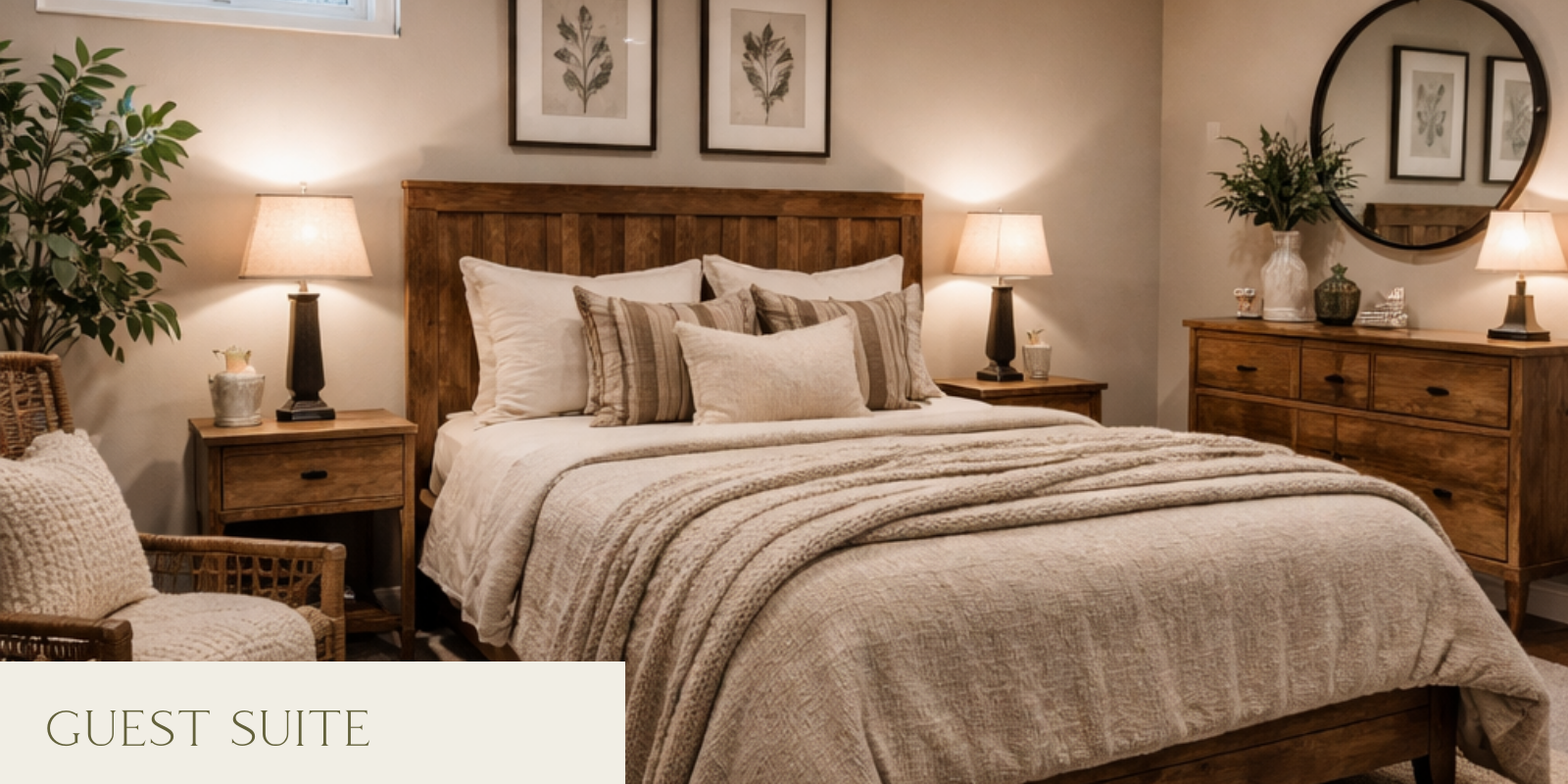
Many Iowa homes have basements that can easily accommodate a bedroom and bathroom.
For homeowners who host family often, a basement guest suite can be one of the most valuable upgrades you make.
It allows visitors to have their own space without disrupting the main living areas upstairs.
Common features include:
- A bedroom with proper egress window
- A full or ¾ bathroom
- Built-in storage
- A small sitting area
For empty nesters, this setup works especially well when adult children or grandchildren visit.
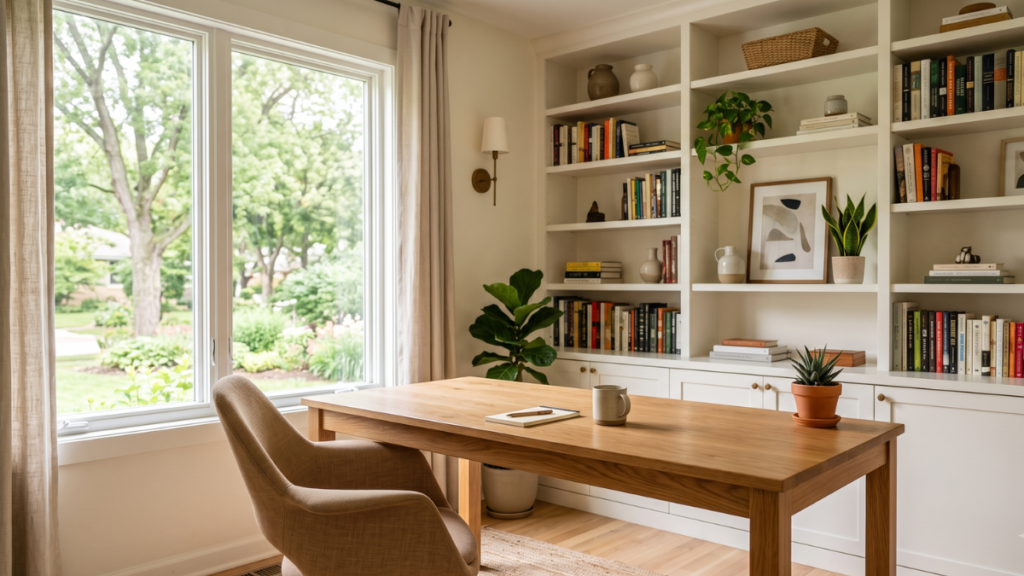
3. A Home Office That’s Separate from the Household Noise
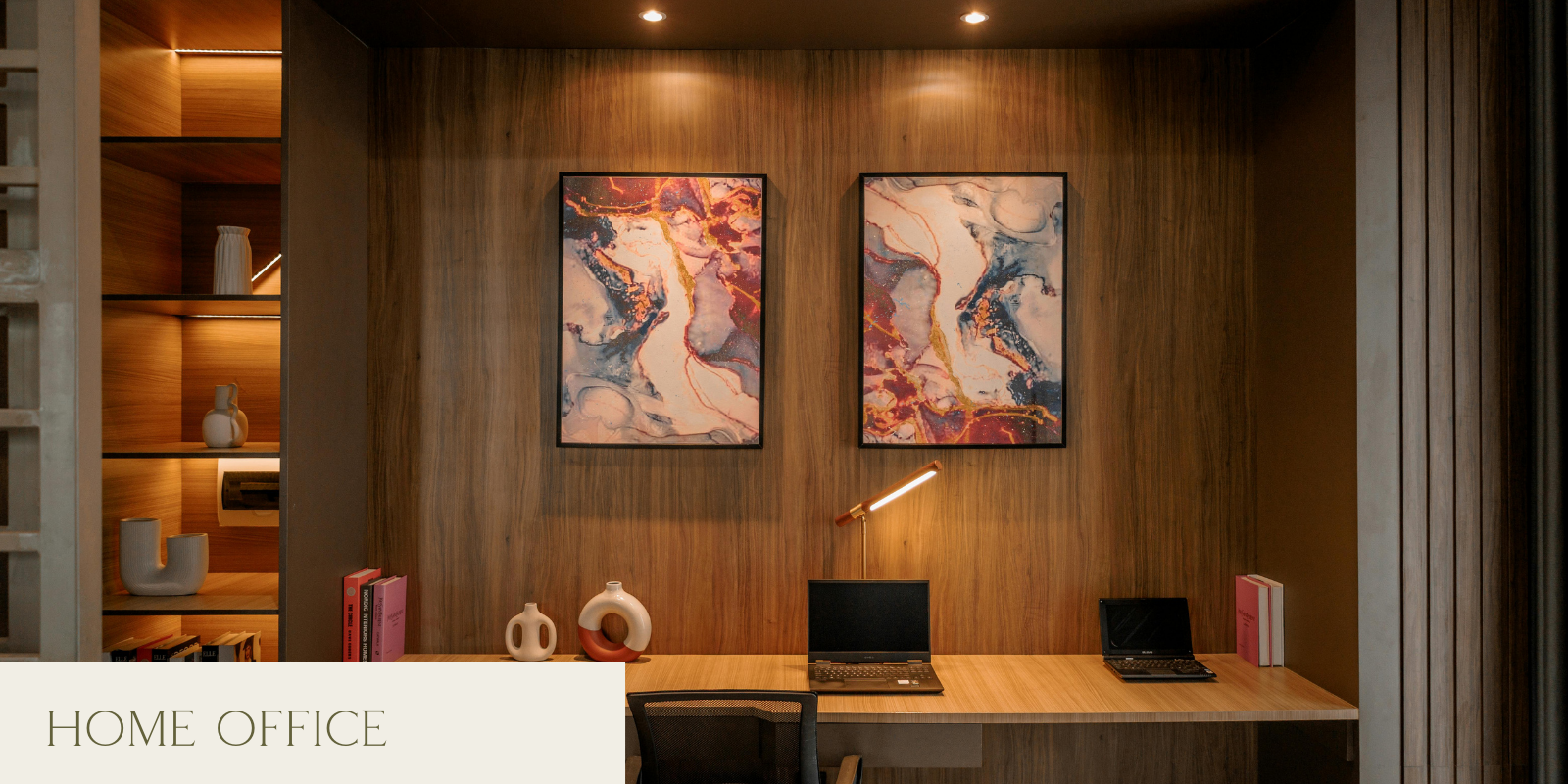
Working from home has changed how many people think about their basements.
Especially in ranch homes, the basement can offer a quiet area away from the kitchen, laundry, and everyday activity upstairs.
A basement office remodel often includes:
- Improved lighting
- Sound insulation
- Built-in shelving or cabinetry
- Thoughtful layout for video calls
When designed well, it becomes a workspace that supports focus rather than competing with the rest of the home.
4. A Flexible Recreation Space
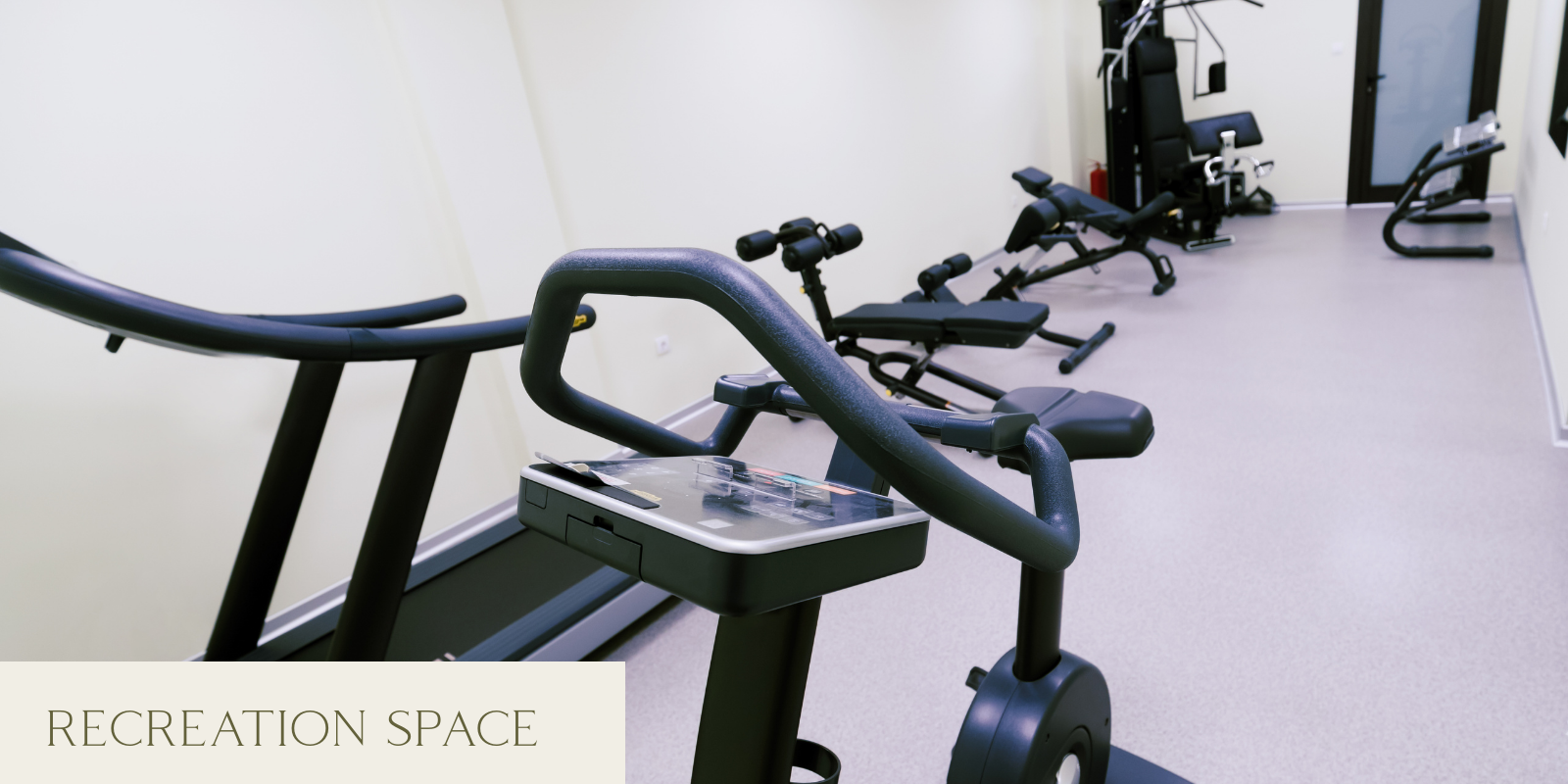
One advantage of basement remodeling is flexibility.
Unlike kitchens or bathrooms, basement spaces can serve multiple purposes over time.
Examples include:
- Game tables
- Kids’ play areas
- Fitness equipment
- Hobby spaces
- Craft areas
- Casual bar or snack stations
Many homeowners prefer an open layout so the room can adapt as life changes.
What works for teenagers today may become a quiet reading area or exercise space later.
5. A Basement Bar or Entertaining Area
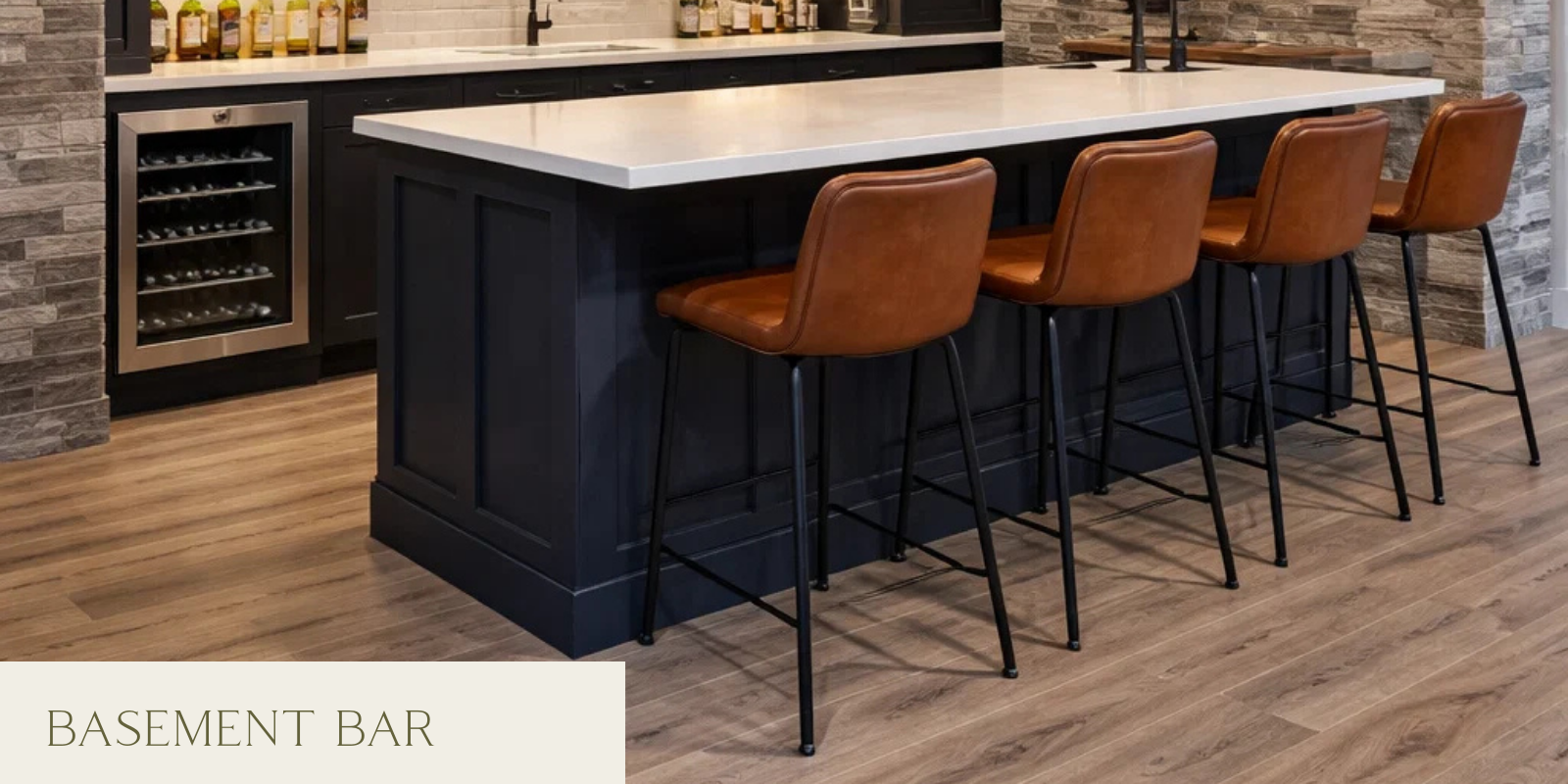
Some homeowners choose to make the basement a destination for hosting.
This doesn’t have to mean a full wet bar or elaborate setup.
Often, the most practical solutions include:
- A beverage refrigerator
- Simple cabinetry
- Durable counters
- Comfortable seating
In homes with walkout basements, this space can connect naturally to patios or backyard entertaining areas.
6. Storage That Actually Works
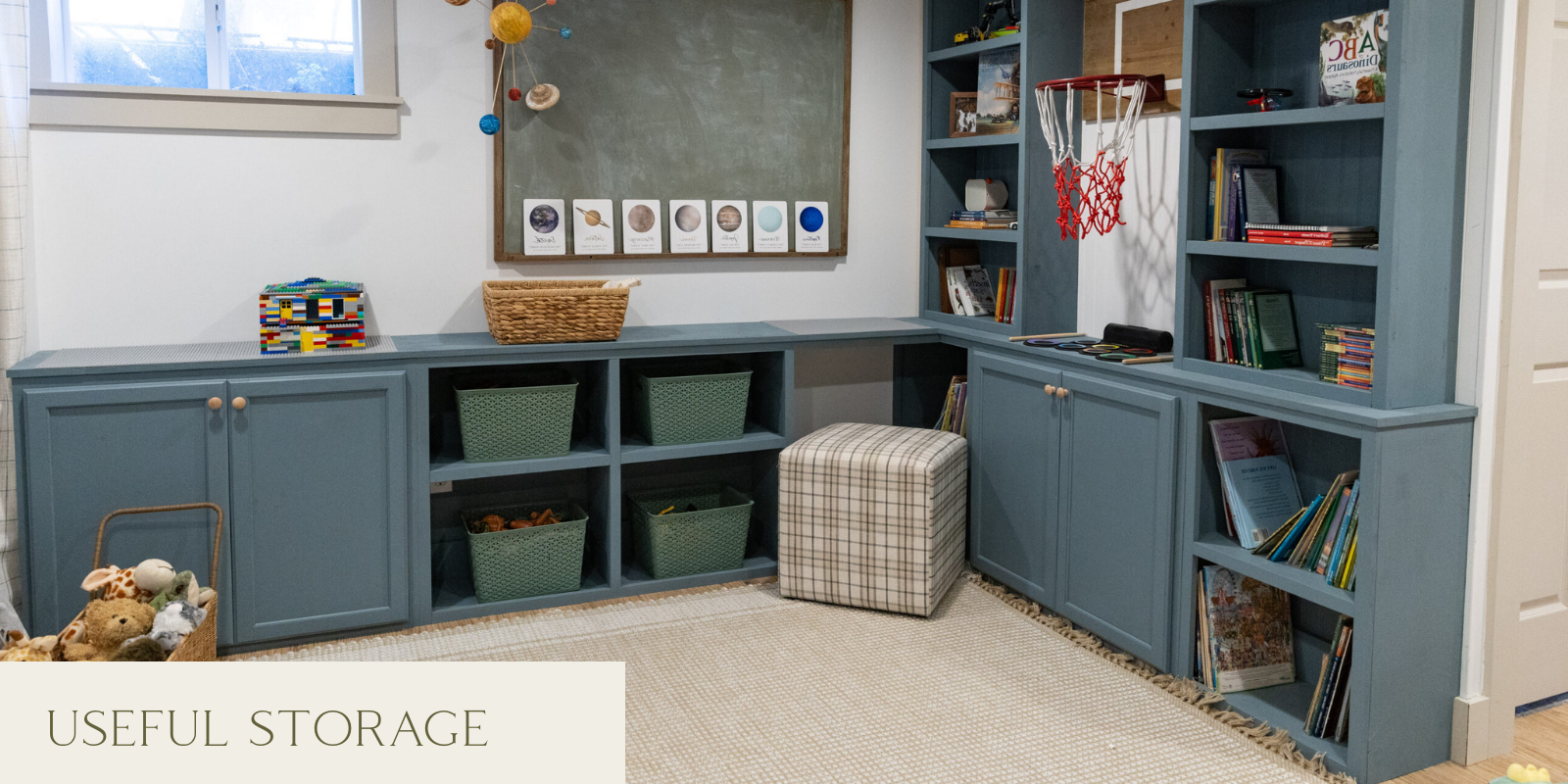
Even after remodeling, basements still need to function as storage.
The difference is intentional storage rather than cluttered corners.
Good basement remodels often include:
- Hidden storage closets
- Built-in shelving
- Utility room organization
- Seasonal storage areas
This keeps the finished space feeling calm, organized, and usable.
Basement Remodeling in Des Moines: What to Plan For
Homes in the Des Moines area often have basement characteristics that influence remodeling decisions.
These may include:
- Lower ceiling heights in older homes
- Mechanical rooms or ductwork layouts
- Moisture management considerations
- Egress window requirements
- Lighting challenges
Because of these factors, basement remodeling in Des Moines usually requires thoughtful planning before construction begins.
Understanding the home remodeling process can also help homeowners prepare for decisions related to design, budgeting, and scheduling.
A well-designed basement should feel like a natural extension of the home — not just a finished lower level.
Basement Remodel Ideas That Add the Most Value
Homeowners often ask which basement upgrades provide the most long-term value.
In many Central Iowa homes, the improvements that make the biggest difference include:
- Adding a bedroom with a proper egress window
- Finishing a large family or recreation room
- Including a basement bathroom
- Creating flexible multi-use space
- Improving lighting and ceiling design
These upgrades make the basement more functional while increasing the overall livability of the home.
It’s also common for homeowners to update multiple areas of the home over time — sometimes starting with the basement before moving on to projects like kitchen remodeling or other main-level improvements.
Frequently Asked Questions About Basement Remodeling
How much does a basement remodel cost?
Basement remodel costs vary widely depending on:
- Square footage
- Plumbing additions
- Electrical and HVAC changes
- Custom cabinetry or built-ins
- Bathroom or kitchenette additions
In many Central Iowa homes, basement remodels range from moderate updates to full lower-level transformations.
How much should a basement remodel cost?
Rather than focusing only on a number, it’s helpful to think in terms of scope.
For example:
- Finishing an open family room area
- Adding a bedroom
- Installing a bathroom
- Creating custom storage or cabinetry
The complexity of the project usually drives cost more than the square footage alone.
How long does a basement remodel take?
Most basement remodels take several weeks to a few months, depending on:
- Permit approvals
- Plumbing or bathroom installation
- Structural modifications
- Custom materials or cabinetry
Detailed planning at the beginning of a project helps keep timelines predictable.
Can you remodel a basement yourself?
Some homeowners complete small basement updates themselves, such as painting or flooring.
However, full basement remodels typically involve:
- Electrical work
- Plumbing
- HVAC adjustments
- framing and drywall
- building code requirements
For projects involving bedrooms, bathrooms, or structural changes, professional planning can prevent costly mistakes.
Do you need a permit to remodel a basement?
Many basement remodels require permits, especially when adding:
- Electrical work
- Plumbing
- Structural changes
- Egress windows
- Bedrooms or bathrooms
Permits ensure the renovation meets local safety codes and protects the long-term value of the home.
A Basement Remodel Should Make the Whole Home Feel Better
The best basement remodels aren’t just about adding square footage.
They’re about making the home easier to live in.
For some homeowners, that means a quiet office.
For others, it’s a space where family gathers on weekends.
Either way, the goal is the same: creating a space that feels natural, comfortable, and thoughtfully planned.
If you’re considering improvements to your lower level or exploring basement remodeling services, contact us today for a free consultation to see what’s possible for your basement.