Are you thinking about remodeling your Des Moines home?
For many families in Des Moines, Ankeny, Urbandale, and surrounding communities, when deciding whether to remodel or move, the answer has been to stay, and remodel thoughtfully over time.
What’s interesting is that most remodeling decisions aren’t driven by trends alone. They’re driven by life changes: kids getting older, working from home, planning for retirement, or simply noticing that one updated space makes the rest of the house feel dated.
Below are the remodeling trends we’re seeing most often — and more importantly, why homeowners are choosing them.
Kitchens Designed for Real Life (Not Just Looks)

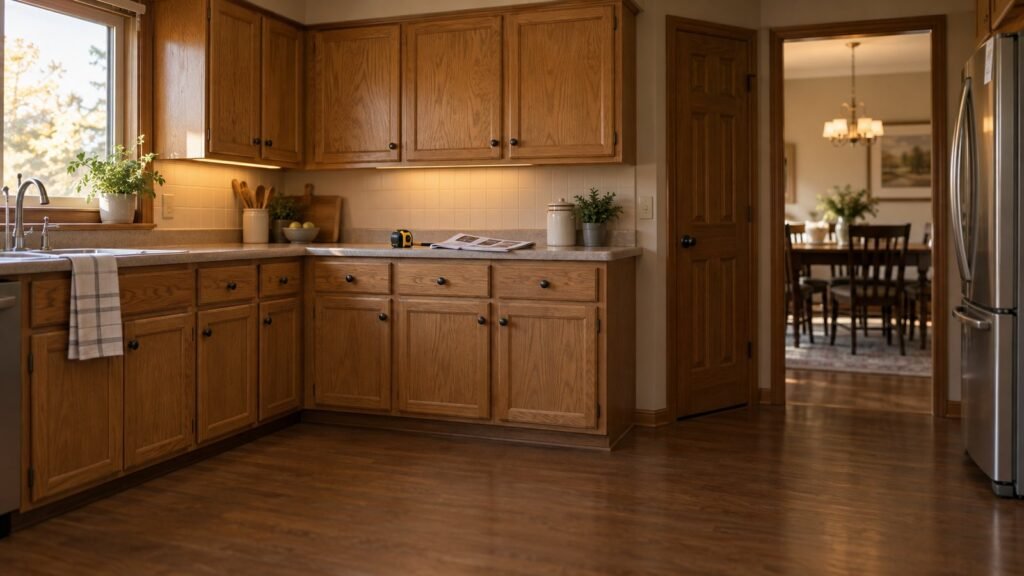
Kitchen remodels continue to lead the way — and not because of style trends alone.
Most homeowners we talk to are trying to solve everyday frustrations:
- Not enough storage
- Awkward layouts (like refrigerators blocking walkways)
- Spaces that don’t work when more than one person is in the room
Instead of chasing a specific look, the focus has shifted to function first:
- Adding full pantry walls instead of small cabinets
- Reworking appliance placement for better flow
- Creating islands that actually support how families gather
In many cases, the footprint doesn’t change dramatically. It’s about making better use of the space you already have.
Updating Without Moving

“We like where we live — we just don’t love how the house functions anymore.”
It’s common thread we hear among Central Iowa homeowners.
Rather than moving, many are choosing to:
- Update multiple areas over time
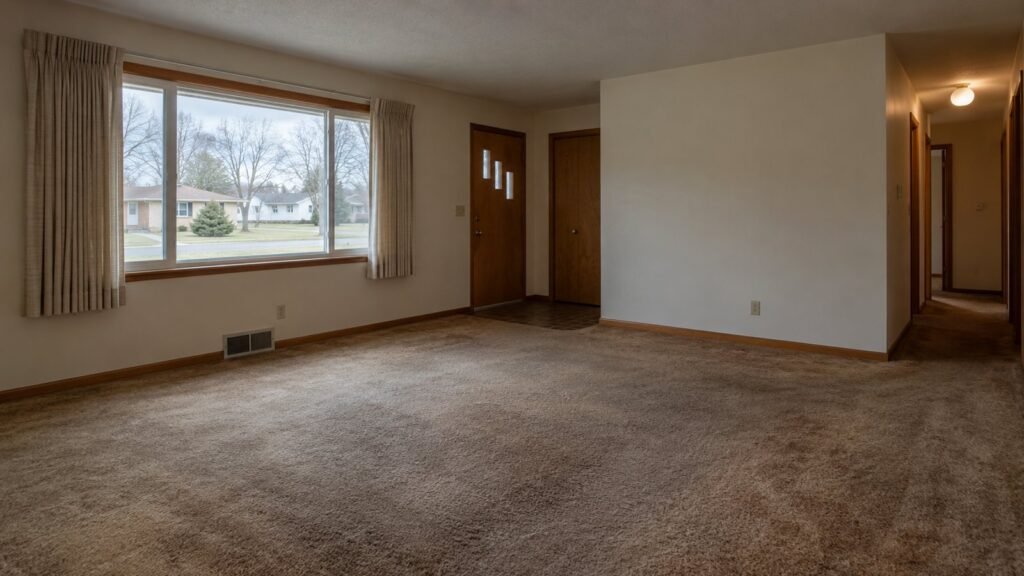
- Modernize finishes (trim, doors, flooring)
- Improve flow between rooms
This often happens in phases. One project leads to another — a finished basement makes the main level feel dated, or a new kitchen highlights older railings or flooring nearby.
That “domino effect” is normal — and planning for it upfront can make a big difference.
Phased Remodeling (Doing It Over Time, On Purpose)

We’re seeing more people take a long-term approach, especially:
- Empty nesters preparing for retirement
- Families balancing budget and timing
- Homeowners who want to make thoughtful decisions without rushing
This might look like:
- Year 1: trim, doors, and railings
- Year 2: kitchen remodel
- Year 3: ceilings, lighting, or bathrooms
There’s no single “right” timeline. The key is having a plan that allows each phase to build on the last, instead of feeling disconnected.
Better Use of Existing Space

We’ve seen projects start with comments like:
- “We never used the basement until now…”
- “This room just collects stuff…”
And turn into:
- Functional home offices
- Finished lower levels with personality
- Mudrooms or storage areas that actually reduce daily stress
This trend isn about using what you already have more intentionally.
Clean, Simple Finishes That Last
Homeowners are moving away from overly specific styles and toward:
- Neutral, timeless colors
- Durable materials that age well
- Simple details that don’t feel dated in a few years
A common example in Central Iowa homes is replacing older oak trim and railings with cleaner, more modern profiles.
It’s more about creating a home that feels comfortable and current for the long term.
Prioritizing Communication and Process
This isn’t a visual trend, but it’s one of the most important shifts.
Homeowners today are just as concerned about how a project is handled as they are about the final result.
Common concerns we hear:
- “Will this drag on longer than expected?” (It’s important to know the timeline of your kitchen remodel.)
- “How disruptive will this be to our daily life?”
- “Will I have to manage everything myself?”
These renovation concerns aren’t hypothetical — they’re often based on past experiences.
That’s why having a clear, structured approach to your home renovation matters.
If you’re curious what that looks like in practice, take a look at how we guide homeowners through planning, design, and construction.
So… Which Trends Actually Matter?
Not every trend applies to every home.
The homeowners we work with — whether they’re updating a long-time family home or preparing for the next stage of life — usually care less about what’s popular and more about what’s practical:
- Will this make daily life easier?
- Will it hold up over time?
- Will the process feel manageable?
Those questions tend to lead to better decisions than any trend list.